Escalation of Strikes in Beirut
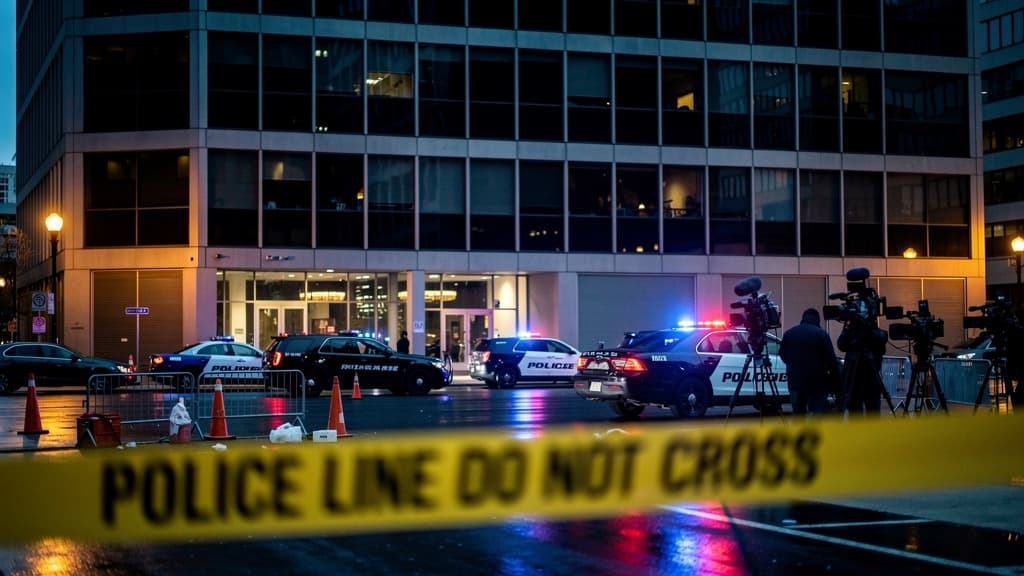
Israeli military operations in Beirut have intensified, with recent reports indicating a significant number of casualties. Local authorities stated that at least 182 people were killed and approximately 890 injured following a series of Israeli strikes on Wednesday [2][3]. This marks one of the largest single-day death tolls in the ongoing conflict between Israel and Hezbollah, as considerable damage was reported across central Beirut and other parts of Lebanon [3][4].
Context of the Ceasefire
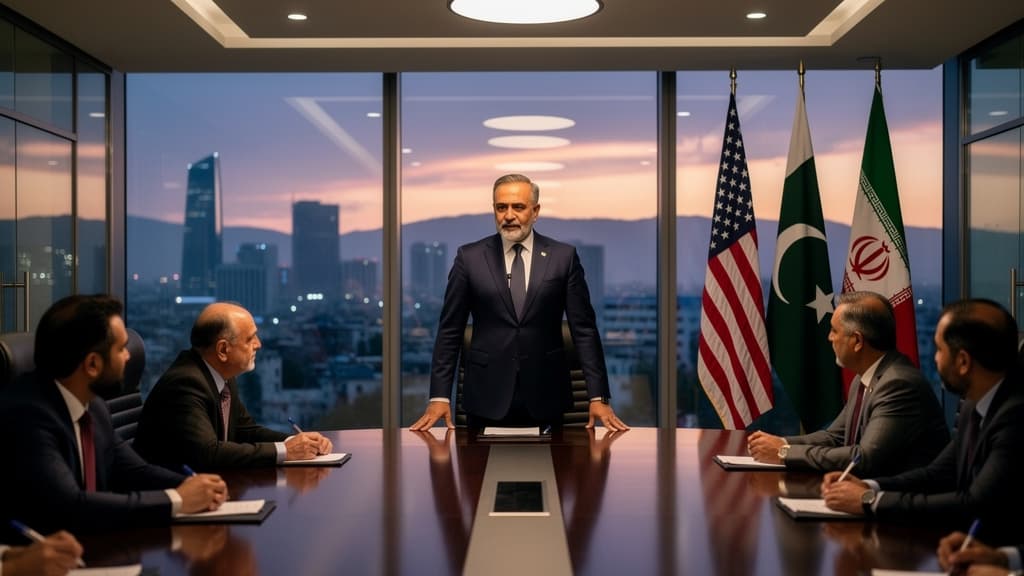
The escalation in Beirut occurred shortly after a ceasefire agreement took effect between the United States and Iran. The U.S. administration and Israeli officials have stated that Lebanon is not included in this truce, a position disputed by Iranian officials who assert that Lebanon should be covered under the agreement's terms [2][3].
Australia's Stance on the Ceasefire
Australia, along with several other nations including Brazil, Colombia, and the UK, has issued a statement supporting Lebanon’s inclusion in the Middle East ceasefire. Australian officials have highlighted concerns over the "worsening humanitarian situation" and the ongoing displacement crisis within Lebanon, advocating for enhanced protection for aid workers in the region [5].
International Reactions and Calls for Action
The impact of the Israeli strikes on the civilian population has triggered international reactions and diverse opinions on how the ceasefire should be applied. The heightened military activity has added complexity to the fragile geopolitical environment in the Middle East, as Iranian officials have cautioned about the potential withdrawal from the U.S.-Iran truce if the situation in Lebanon remains unaddressed [5].
Ongoing Developments
The situation continues to evolve, with diplomatic efforts underway to address the crisis. Humanitarian organizations are also working to manage the situation on the ground, providing support to those affected by the strikes. The international community remains watchful, assessing the implications of further escalations on regional stability.
As the dialogue about the ceasefire’s scope progresses, stakeholders remain focused on mitigating the humanitarian impact and fostering conditions conducive to long-term peace in the region [5].