Ceasefire Agreement and Strait of Hormuz Reopening
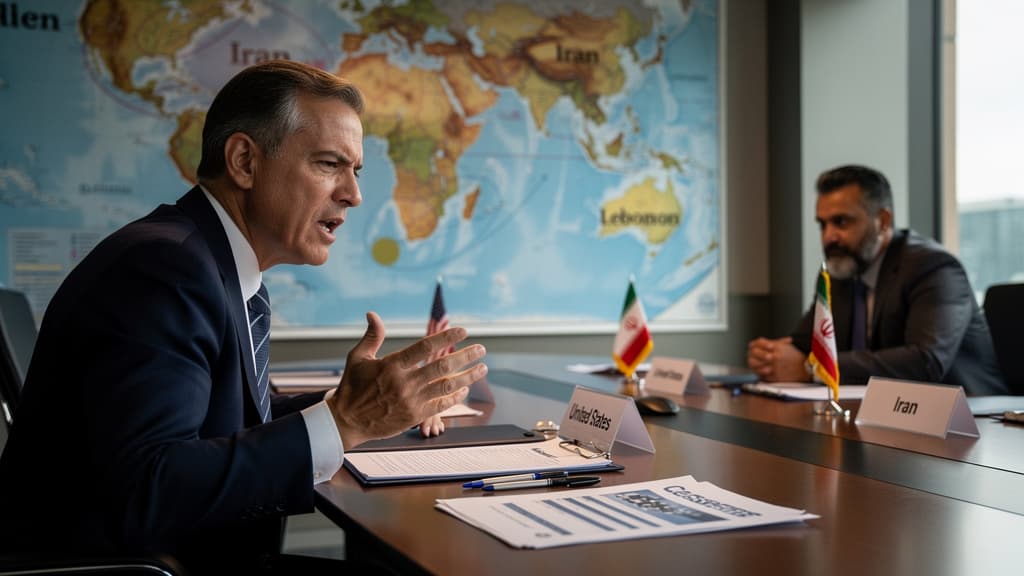
The United States and Iran have agreed to a provisional ceasefire that will last for two weeks, according to announcements from both sides. This pause in hostilities will entail the reopening of the Strait of Hormuz, a key maritime channel for global oil transportation, allowing passage for the next fortnight [2][3]. The situation remains dynamic as international stakeholders monitor the implementation of the ceasefire deal.
Exclusion of Lebanon from Ceasefire
Despite the ceasefire agreement, the Israeli government has clarified that the terms do not cover Lebanon. Israel continues to express concerns regarding Iran's influence in the region, particularly through Iran-backed militia activity within Lebanon [2][3]. This exclusion reflects ongoing geopolitical complexities in the Middle East, where peace and security elements are intricately balanced.
U.S. President's Remarks on Uranium Issues
President Donald Trump has stated that matters concerning uranium will be "taken care of," implying actions aimed at addressing the nuclear-related concerns surrounding Iran. Trump emphasized the potential for "big money" to aid Iran in reconstruction, framing these developments as a step toward what he described as a "golden age of the Middle East" [3]. However, details about specific measures to resolve uranium issues were not disclosed, creating a spectrum of interpretations about future diplomatic engagements [2][3].
Reaction and Broader Context
The ceasefire comes amidst ongoing military activities and international concerns about war crimes in the region. There have been reports and warnings from the United Nations and other organizations that continued attacks on critical infrastructure could constitute violations of international law [1]. As the truce unfolds, stakeholders are keen on how it will affect wider geopolitical and security arrangements in the Middle East.
Earlier assertions by Pakistan’s Prime Minister suggested that Lebanon would be covered by the ceasefire. However, this perspective appears misaligned with Israel’s stance, highlighting differing interpretations and expectations surrounding the truce [2]. As the international community observes the unfolding events, further developments are anticipated regarding both regional stability and the specifics of nuclear non-proliferation efforts.