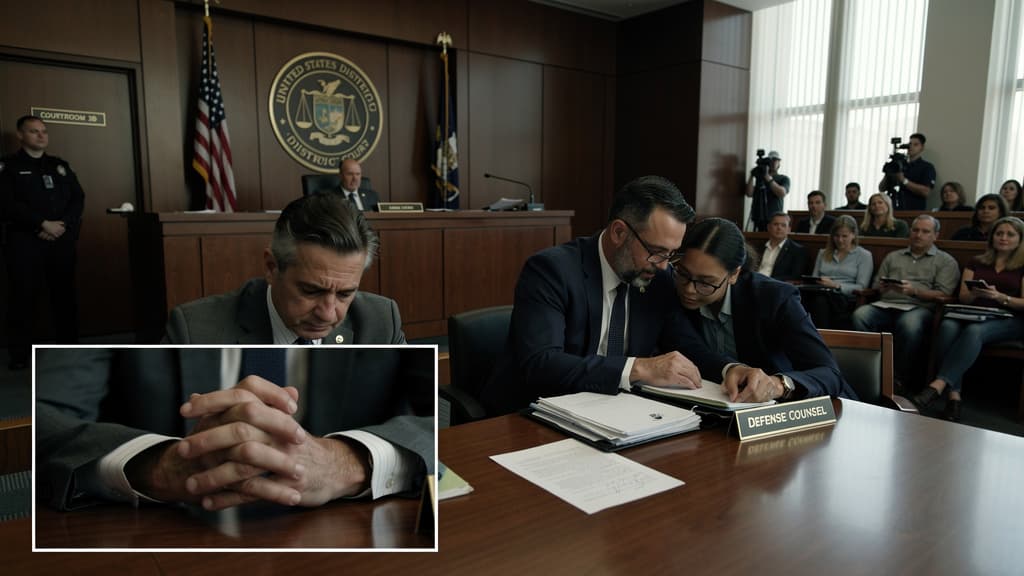
Conviction Under Take It Down Act
An Ohio man has been convicted under the Take It Down Act, marking the first instance of legal action under this legislation. The individual was found guilty of creating AI-generated explicit images using more than 100 different artificial intelligence tools. These images included altered depictions of both women and minors[1].
Recidivism After Arrest
Despite his arrest, the convicted party continued to engage in the production of AI-generated explicit content. According to reports, he resumed these activities following the initial legal action, demonstrating a notable case of recidivism under the relatively new legal framework established by the Take It Down Act[1].
The Take It Down Act
The Take It Down Act was enacted with the aim of combating the non-consensual creation and distribution of explicit imagery through artificial intelligence. This legislation responds to the growing capabilities of AI tools that can synthesize realistic images, often used without the consent of those depicted. The Act provides law enforcement with tools to prosecute individuals engaging in such activities[1].
Challenges in AI Governance
The broader context of this case aligns with ongoing discussions about AI governance, particularly concerning 'agentic AI'—systems capable of operating autonomously, often without transparent records of their processes. This has raised significant concerns regarding accountability and oversight, as exemplified in discussions surrounding the EU AI Act which seeks to address these governance challenges[2].
Implications and Outlook
This case highlights both the potential for misuse in AI technologies and the challenges faced by legal and regulatory bodies in managing these rapidly advancing tools. As AI continues to evolve, the legal frameworks will likely need to adapt to maintain effective oversight[1][2].