Special Election Outcome in Georgia
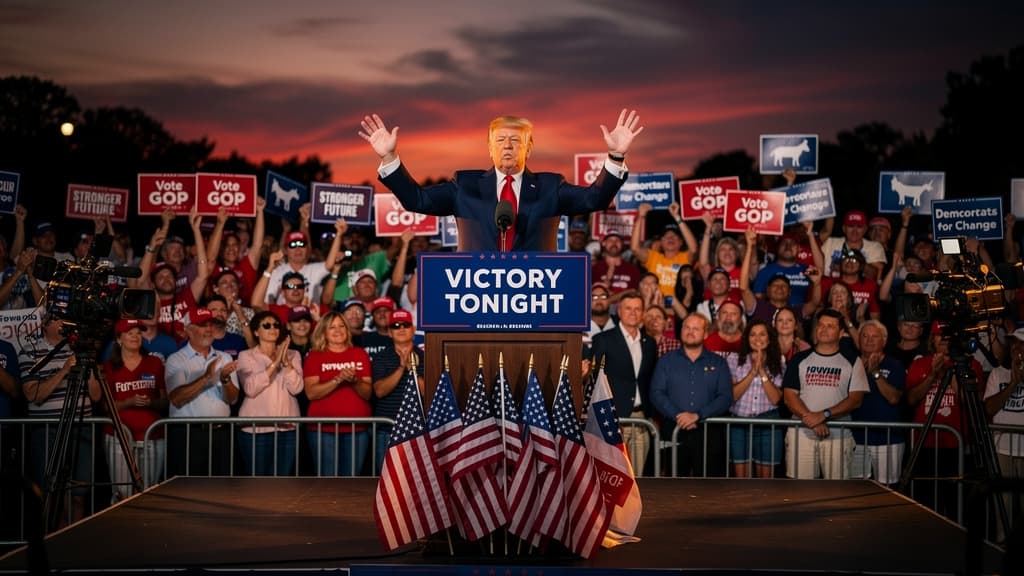
In the special election for Georgia's 14th Congressional District, Republican candidate Clay Fuller defeated Democrat Shawn Harris, securing the seat with a margin of approximately 12 percentage points. This election was held to fill the vacancy left by former Representative Marjorie Taylor Greene [1][4].
Shawn Harris’ campaign resulted in a notable shift as Democrats managed to move the district 25 points to the left compared to the 2024 presidential election results, indicating a significant change in voter sentiment in the traditionally conservative district [2][3]. This shift was the largest posted by Democrats in recent special House elections, marking a substantial change though not enough to secure a victory [1][3].
National Trends and Implications
The results in Georgia complement broader national trends seen in other recent elections. For instance, similar patterns of Democratic gains have been observed in places like Wisconsin, where conservative candidates failed to capture key positions [2]. Despite these shifts, Republicans were able to maintain control in Georgia, partly due to the backing of President Donald Trump [4].
According to recent analyses, Trump's overall popularity is low; however, this does not automatically translate to increased support for Democrats, whose overall perception remains complicated and divided among voters [5]. Many voters who express disapproval of Trump's leadership simultaneously show hesitance to fully endorse the Democratic Party [5].
Voter Sentiments
These election outcomes highlight the complex dynamics currently shaping U.S. politics. While Republicans continue to win elections, especially in historically conservative areas, the substantial shifts toward Democratic candidates may indicate a growing disenchantment with the status quo and a potential for more competitive future elections [1][3].
Conclusion
The Georgia special election serves as a microcosm for the broader political climate in the United States, where both major parties are contending with varying degrees of dissatisfaction among the electorate. This suggests a volatile and potentially transformative period leading up to the next election cycles.