Regional Tensions Amid Ceasefire
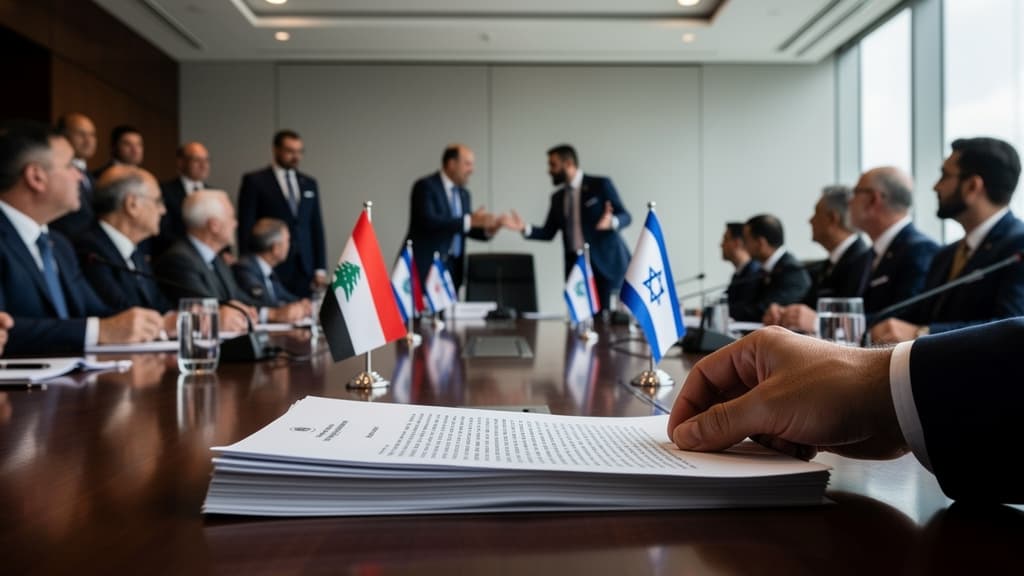
As a ceasefire brokered by Pakistan between the United States and Iran takes effect, the ongoing conflict involving US and Israel's military actions in Iran continues to unsettle the Gulf region. The ceasefire, although officially in place, faces setbacks as disputes regarding its comprehensiveness persist, and the instability in Lebanon further complicates the situation [1][2].
Impact on Gulf States
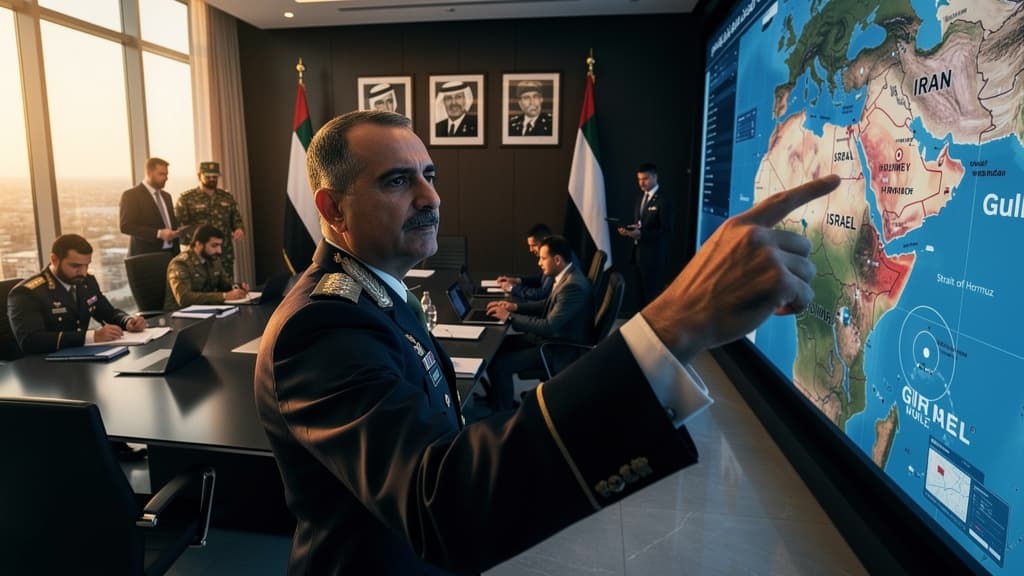
The military conflict has prompted Gulf nations to reassess their security strategies. The geopolitical landscape is altering as these countries face potential threats from an emboldened Tehran, which retains significant missile capabilities. These circumstances are compelling the Gulf states to seek additional security partners to bolster their defense framework [6].
American military bases located within several Gulf states have elevated their strategic value, making them potential targets in the context of Iranian retaliatory actions. This has heightened the urgency for these nations to reassess their security postures [6].
Humanitarian Concerns in Lebanon
In the broader region, Israeli military strikes in Lebanon have exacerbated humanitarian issues, leaving Lebanon's already fragile health system struggling. Health facilities in Beirut are overwhelmed by casualties, with critical medical supplies running scarce. Reports indicate that recent Israeli actions have led to numerous fatalities, including strategic casualties such as the nephew of Hezbollah's chief [3][4][7].
The World Health Organization describes the situation in Lebanon as dire, with the scale of destruction hindering the ability of health services to adequately respond to the influx of casualties [4].
Future Security Outlook
Regardless of the ceasefire's final outcome, Gulf states are preparing for a potentially volatile future characterized by a persistent threat from Iran. The region's economic recovery efforts, following the destabilizing effects of the conflict, will significantly inform their security reevaluation process [6].
This reassessment of security partnerships highlights the Gulf states' strategic focus on maintaining stability in a region experiencing heightened military and political tensions. As developments continue, the international community remains alert to the evolving dynamics in the Middle East.