US-Iran Dialogue Scheduled in Islamabad
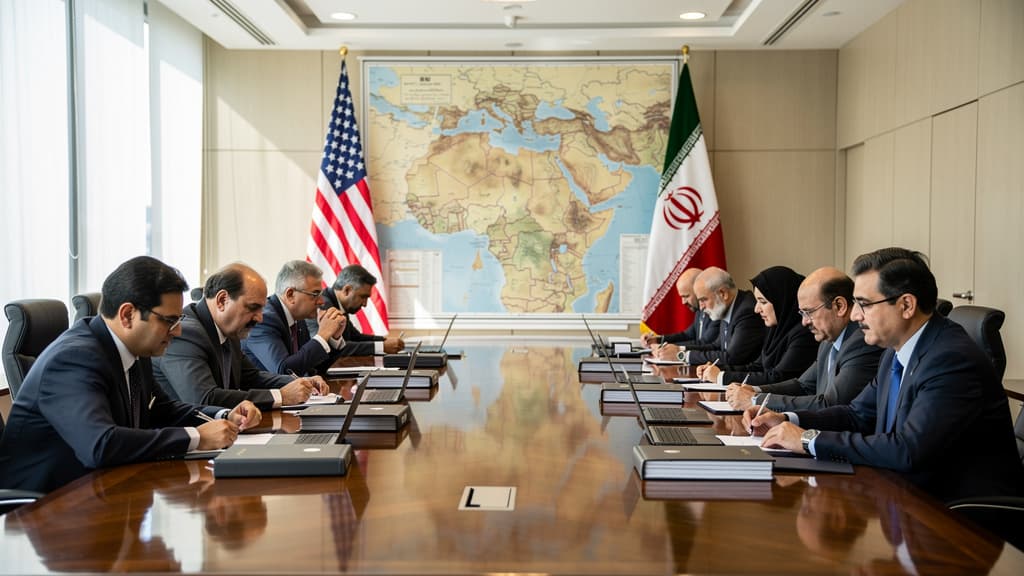
Diplomats from the United States and Iran will convene this weekend in Islamabad for discussions aimed at establishing a ceasefire. The meeting comes amid ongoing conflict in the Middle East, where actions by regional actors continue to pose challenges to stability[1][2].
Efforts to Solidify a Ceasefire
The dialogue between the U.S. and Iran seeks to end more than five weeks of hostilities. The White House has characterized the negotiations as 'ongoing', highlighting the fragility of the current situation[2]. Both nations face significant hurdles, including longstanding mistrust and differing agendas, which need to be addressed to achieve a sustainable ceasefire[1][2].
Regional Dynamics and complexities
The talks in Islamabad occur as other regional tensions simmer, particularly involving Israel and Lebanon. Israel's decision to enter into negotiations with Lebanon follows a series of strikes that threaten the already tenuous U.S.-Iran ceasefire. These regional dynamics add layers of complexity to the effort to negotiate peace between the U.S. and Iran[1].
Challenges in Reaching an Agreement
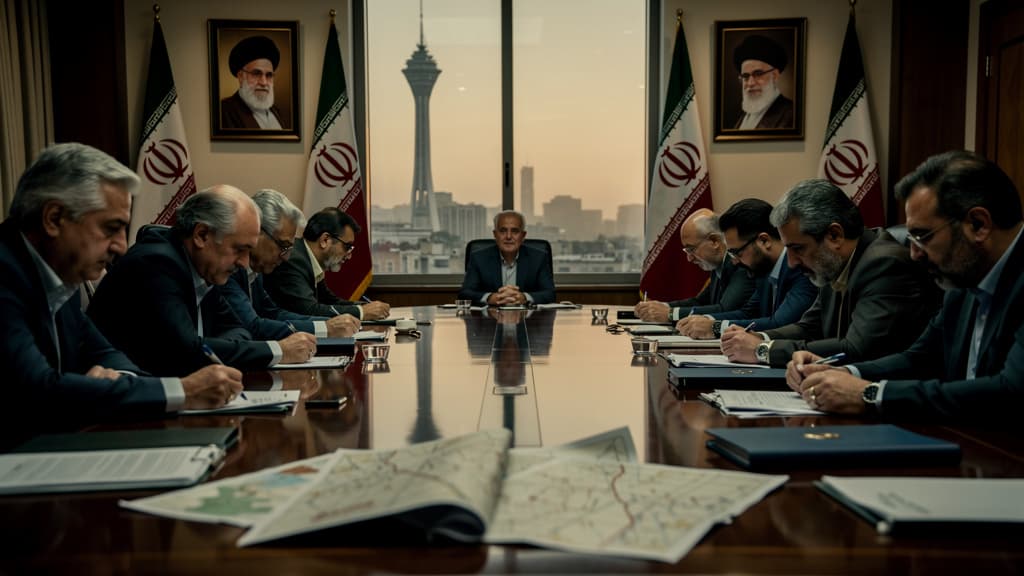
The planned diplomatic engagement in Islamabad highlights existing challenges, including a significant trust deficit between the U.S. and Iran. The complexity of Middle Eastern geopolitics further complicates efforts to broker peace. Despite these challenges, the Islamabad talks represent a critical opportunity for de-escalation[1][2].