Termination of Indirect Talks
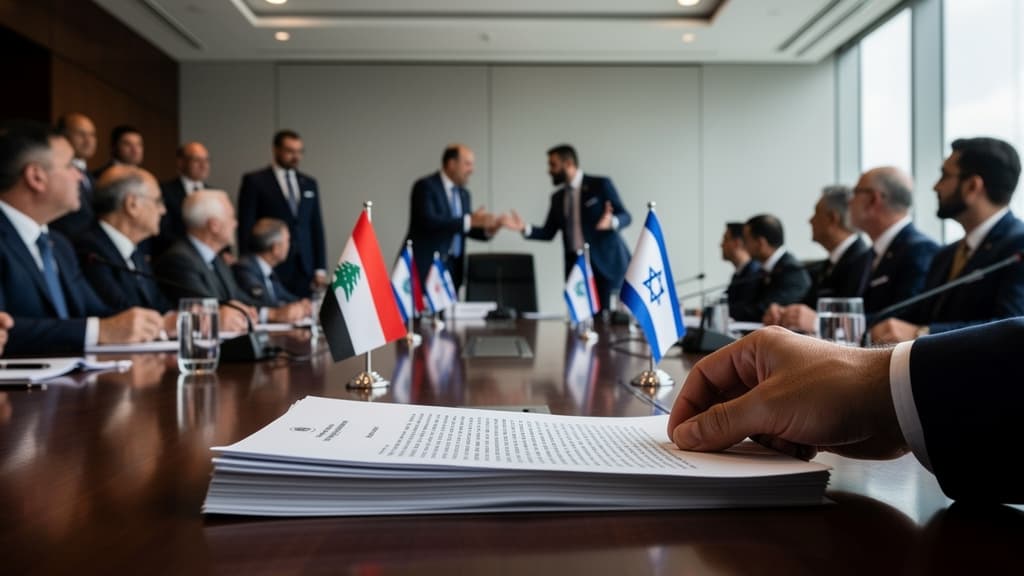
Iranian officials stated that they have ended indirect negotiations with the United States, attributing the decision to a recent threat made by President Donald Trump. The statement comes as tensions continue to rise between the two nations, primarily concerning Iran's nuclear activities and regional influence [1].
Trump's Comments and Response
President Trump recently implied potential military action against Iranian infrastructure, particularly targeting power plants if U.S. conditions were not met. Analysts note that the President's comments have contributed to increased strain in diplomatic communications. In response, Iran has signaled its readiness to retaliate if any attacks occur [1][2].
Global Reactions
The international community has shown concern over the situation. Pope Leo condemned President Trump's threats, describing them as 'unacceptable'. The Pope's comments reflect broader apprehensions about escalating the conflict between the U.S. and Iran, which could have significant geopolitical repercussions [2].
Cultural Reactions and Public Sentiment
Amidst these developments, Iranian musician Ali Ghamsari performed outside the Damavand power plant. His performance is seen as a cultural demonstration against potential threats to Iranian infrastructure, highlighting public sentiment and cultural resilience amidst political tensions [3].
Strategic Implications
The Strait of Hormuz remains a critical geographical element in the dispute. It is a vital corridor for global oil shipments, and any disruptions could have widespread economic impacts. As the deadline set by the U.S. approaches, military and political observers are monitoring the situation closely [1].
Overall, these events illustrate ongoing complexities in U.S.-Iran relations, with potential implications for international diplomacy and regional stability.