Background on U.S.-Iran Tensions
As tensions between the United States and Iran continue, ongoing diplomatic efforts have faced new challenges. In recent months, the conflict has been centered around geopolitical issues involving Iran’s nuclear program and regional security influences.
New Conditions Announced by Iran
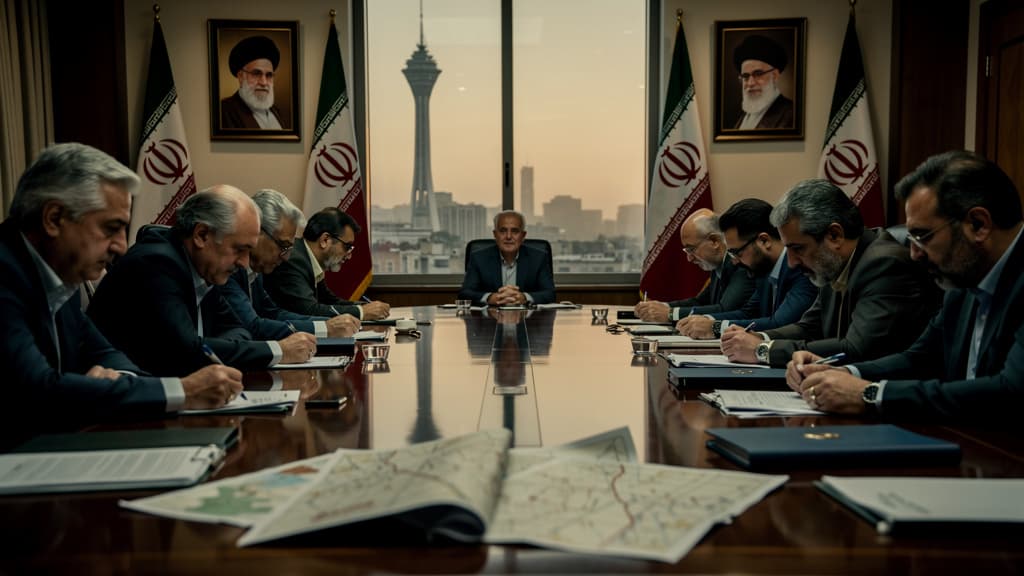
Iran has added new conditions it wants fulfilled before commencing negotiations with the United States. The speaker of Iran’s Parliament has outlined two primary demands: the release of Iranian assets that have been blocked internationally and a ceasefire in Lebanon, where tensions have been escalating [4]. Tehran's position appears to aim at leveraging these conditions to achieve broader regional stability and alleviate economic pressures caused by sanctions.
Vice President JD Vance's Diplomatic Mission
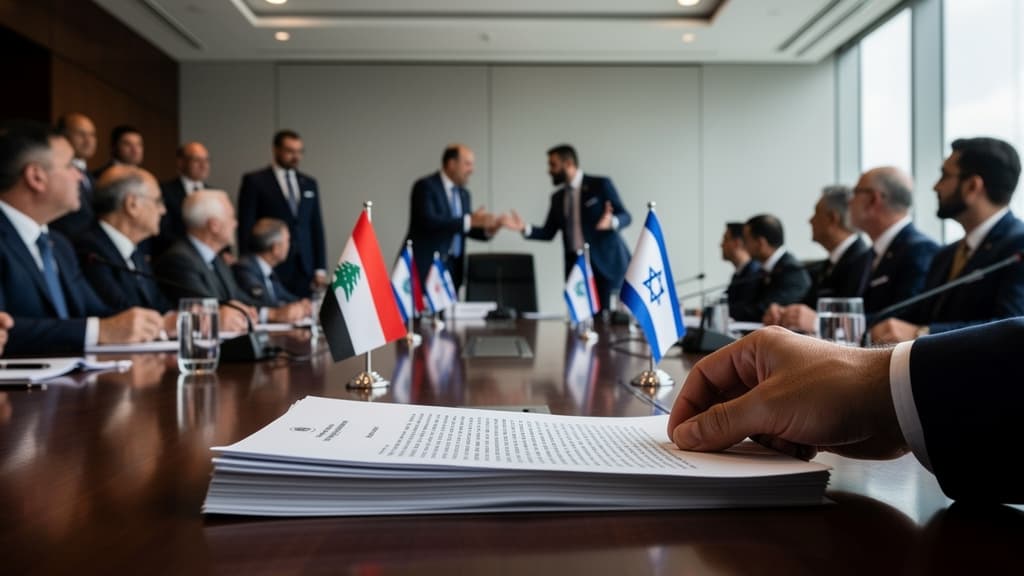
U.S. Vice President JD Vance is leading negotiations with Iranian officials in Islamabad, challenges he assumes amidst firm instructions from President Donald Trump. Vance expressed confidence in the potential for productive dialogue but warned against potential diplomatic tactics by Tehran that might delay progress [1][3][5]. Heading the U.S. delegation, Vance aims to bridge divides and encourage ongoing dialogue during talks scheduled for this weekend [6].
Pakistan's Role as Mediator
The talks are taking place with Pakistan acting as a central mediator. Officials in Islamabad have set a modest goal for the summit, focused on establishing a framework to continue dialogue rather than achieving immediate comprehensive agreements [2]. Pakistan's involvement underscores its strategic role in regional diplomacy, and the country's leaders are working to keep the communication lines open amidst deep-seated differences between the U.S. and Iran.
Current Implications and Outlook
The introduction of new conditions by Iran could complicate negotiations, but they also provide an opportunity for diplomatic engagement on pivotal issues contributing to regional instability. The outcome of Vance's efforts in Islamabad will likely influence future interactions between the U.S. and Iran, potentially impacting broader Middle Eastern geopolitics.
Iran has a history of engaging in complex diplomatic negotiations with global powers, often tied to security concerns and economic sanctions. The current talks represent an opportunity for both nations to recalibrate their strategic interests amidst ongoing conflicts [5][7].