Israeli Airstrikes on Hezbollah Continue
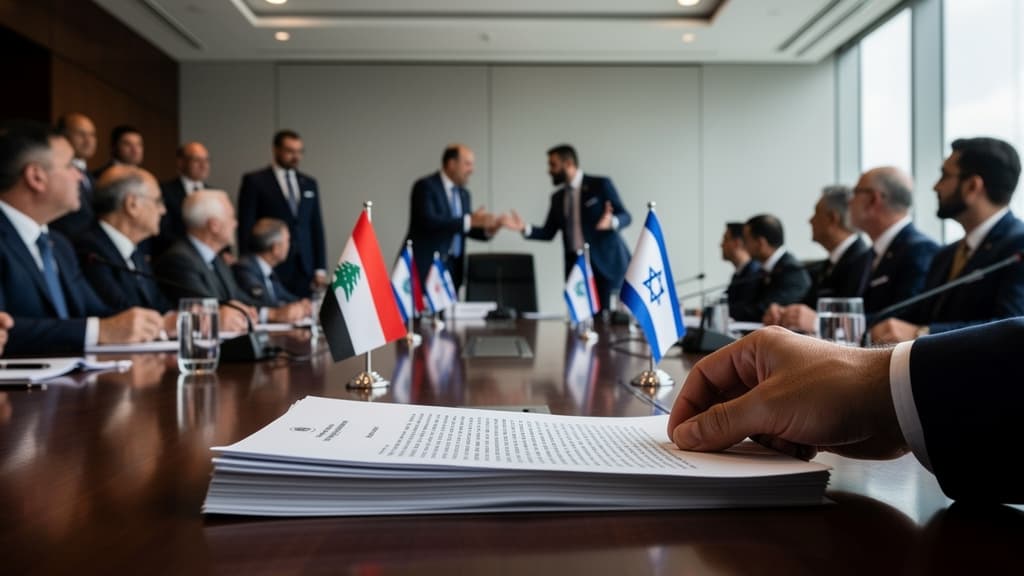
Israel has announced ongoing military operations against Hezbollah, an armed group backed by Iran, in Lebanon. The Israeli government, led by Prime Minister Benjamin Netanyahu, has stated that these military actions will persist despite efforts to engage in talks with Lebanon about disarming the group [1][5]. The situation continues to escalate as Europe warns that these actions threaten the fragile U.S.-Iran cease-fire [6][7].
U.S.-Iran Cease-Fire Negotiations
The cease-fire between the United States and Iran, brokered over a two-week period, is currently under strain due to regional disputes, notably over the Strait of Hormuz and the situation in Lebanon [2]. U.S. Vice President JD Vance is preparing to lead a delegation for peace talks with Iran in Pakistan, but Iran has stated it will not participate unless the cease-fire is expanded to include Lebanon [1][3].
International Reactions and European Demands
European leaders, including those from Britain, France, and the European Union, have condemned Israel’s strikes targeting Hezbollah, arguing that these actions jeopardize the ongoing truce [7]. They have called for the United States to ensure that Lebanon is included in the cease-fire framework to prevent further escalation [6][7].
President Trump's Perspectives on NATO
Amidst these developments, President Donald Trump has expressed criticism of European allies, citing their lack of support for U.S. actions in the region as a reason to potentially reevaluate America's commitment to NATO [4]. This reflects broader tensions about the alliance's role in the Middle East conflict.
Conclusion
As the U.S. and Iran move towards crucial talks in Pakistan, the developments in Lebanon could play a pivotal role in determining the future of the cease-fire. The international community continues to keep a close watch on these negotiations, as their outcome may significantly influence regional stability.