Microsoft Introduces New AI Security Tool
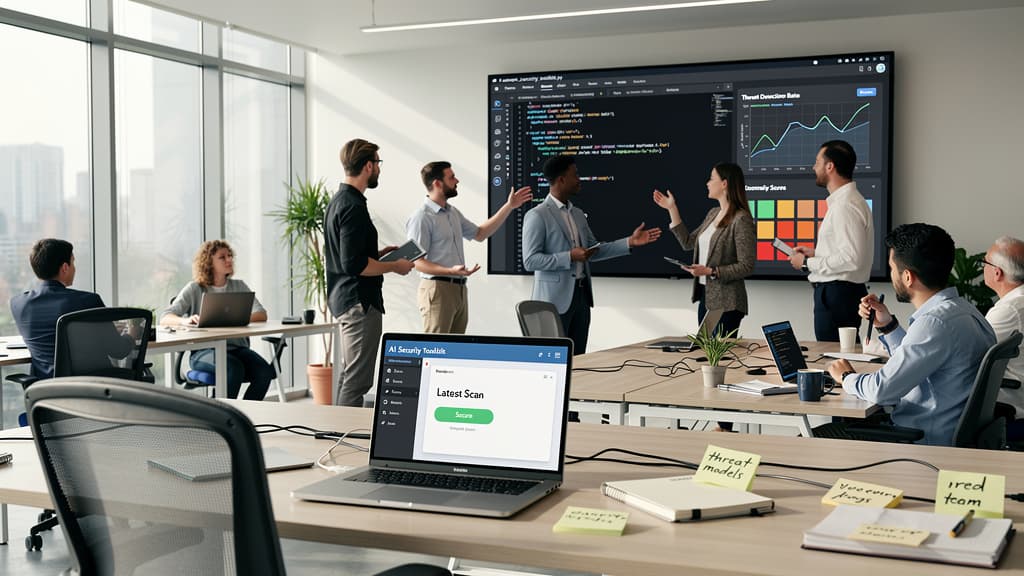
Microsoft has unveiled a new open-source toolkit designed to enhance the security of artificial intelligence agents during their execution. Announced on April 8, 2026, the toolkit aims to provide stricter governance and improve the security protocols for AI models running in enterprise environments [2].
Addressing AI Security Challenges
The toolkit focuses on mitigating the risks associated with autonomous language models that execute code rapidly within corporate networks. This technology responds to growing concerns as traditional policy controls struggle to keep pace with the fast evolution of AI integrations. Microsoft’s toolkit allows for real-time enforcement of security policies, serving as a tool for enterprises to manage their AI operations more effectively [2].
Evolution of AI in Enterprises
Historically, AI integration within companies was primarily limited to conversational interfaces and assistive copilots. However, the rapid development of AI agents and their capabilities has necessitated advancements in security practices to manage potential risks. Microsoft's latest tool aims to ensure that AI agents operate safely within the constraints set by corporate policies [2].
Industry Context and Competitive Landscape
Microsoft's new toolkit emerges in a landscape where open-source solutions for AI are gaining traction. Startups such as Arcee, a small U.S. company with a team of 26, have been creating high-performing open-source language models that compete in the AI field [1]. These developments highlight the increasing demand for flexible and secure open-source AI solutions that can be integrated into various applications by enterprises worldwide.
Reflecting on the Significance
The release of Microsoft's open-source toolkit marks a significant step in the ongoing evolution of AI security measures. It represents a broader trend of companies seeking to balance innovation with robust governance, allowing for the responsible deployment of AI technologies in increasingly complex environments [2].