Vietnam's Rice Production Affected by Middle East Conflict
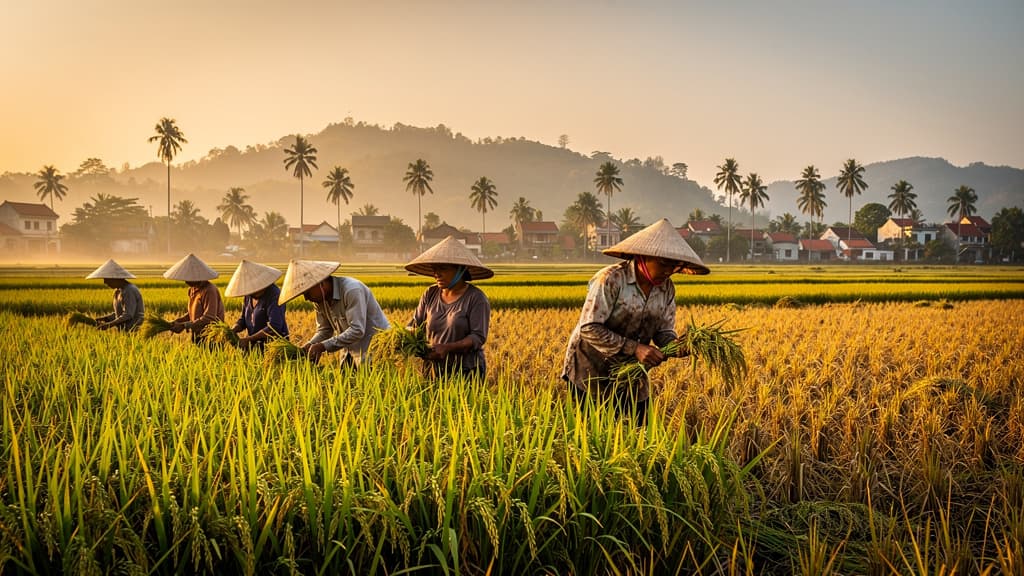
Vietnam, recognized as the second-largest rice exporter globally, is curtailing its rice production. This decrease is largely influenced by escalating power prices linked to the ongoing conflict in the Middle East [1]. The surge in energy costs is affecting the ability of rice producers to maintain their operations. As a critical source of staple food for many countries, Vietnam's production shifts hold significance for global food security.
Ceasefire in Middle East Raises Food Supply Concerns
A temporary ceasefire agreement has been reached between the United States and Iran. However, discrepancies remain regarding its terms, particularly whether it includes Lebanon. The U.S. and Israel assert Lebanon's exclusion from the ceasefire, while Iran claims otherwise [2]. The uncertainty surrounding the ceasefire conditions contributes to broader concerns about stability in the region and its impact on global trade and food supply chains.
Geopolitical Dynamics and Economic Implications
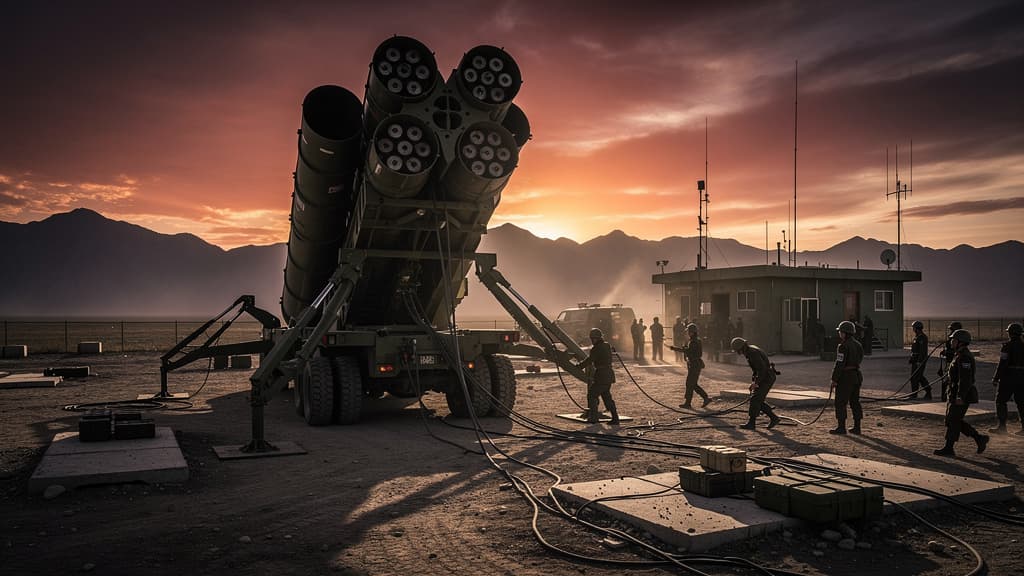
The ongoing geopolitical tensions in the Middle East stem, in part, from the heightened rhetoric and military posturing witnessed prior to the ceasefire. Reports have indicated that there were critical decisions made at the last moment that averted a potential U.S. bombing campaign. These dynamics illustrate the delicate balance the involved powers are attempting to maintain to avoid further escalation [3][4].
The influence of these Middle East dynamics extends into economic realms, with specific focus on commodity markets. As Middle Eastern countries are significant players in global energy markets, disruptions in this region can lead to increased energy costs worldwide. Countries like Vietnam, dependent on imported energy, thus experience increased operational costs for industries such as agriculture [1].
Broader Implications for Global Food Security
The reduction in rice production in Vietnam is a worrying development for countries reliant on its exports. As global rice demand remains consistent, any perceived shortages could lead to price increases and food insecurity, especially in countries where rice serves as a staple diet. The current situation underscores the interconnected nature of geopolitical stability and commodity availability [1]. The developments prompt discussions around food security and the need for diversification of supply sources to mitigate the effects of similar future disruptions.