Ceasefire and Continued Violence
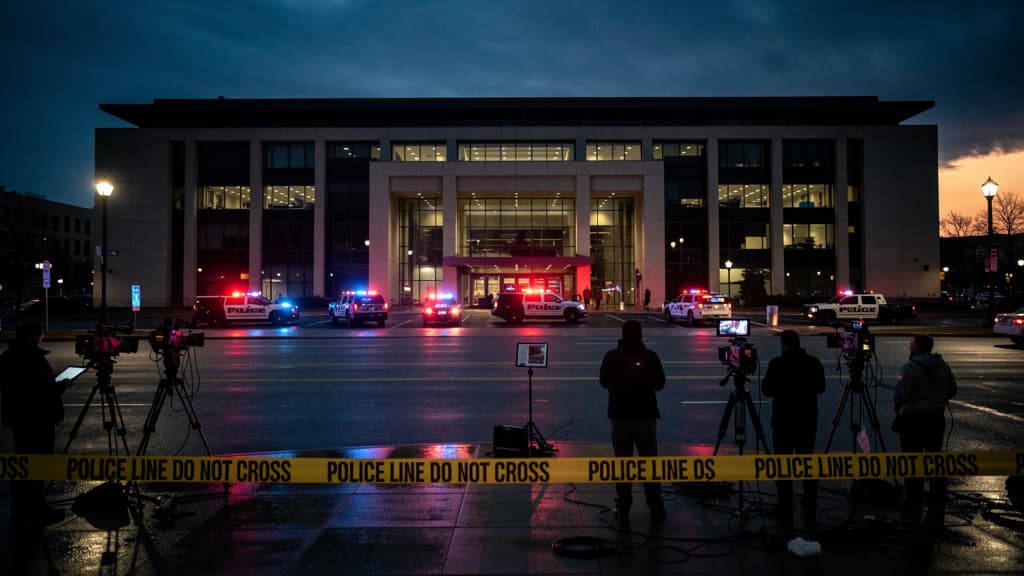
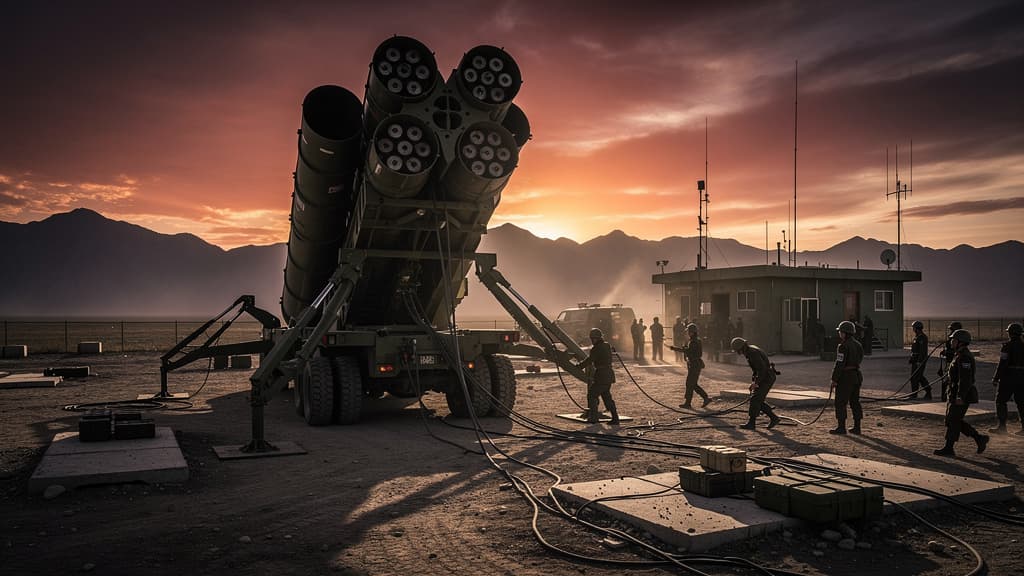
On Wednesday, conflicts persisted in the Middle East despite a tentative ceasefire between the United States and Iran. Israeli military action in Lebanon resulted in more than 254 fatalities, leading Lebanon to declare a national day of mourning [1]. This action has cast doubt over the ceasefire's effectiveness and raised concerns about broader regional stability.
Diplomatic Positions Differ
US Vice President JD Vance clarified that Lebanon is not part of the ceasefire agreement under discussion between the United States and Iran. He described any assumptions to the contrary as a 'legitimate misunderstanding' by Iran [2][3]. French President Emmanuel Macron has acknowledged the ceasefire but urged for Lebanon's inclusion to stabilize the region further [4].
Economic Repercussions and Food Security
The conflict has also impacted global economic conditions. Notably, Vietnam, the world's second-largest rice exporter, has reduced its output due to rising energy costs. This measure emerges as a precaution in light of ongoing uncertainties in the Middle East, which could disrupt global food supplies despite the ceasefire's temporary establishment [7].
Peace Talks and Regional Reactions
The first day of the US-Iran ceasefire saw heightened tensions across the region as parties adjust to the new temporary status quo. Leaders are engaged in discussions, with various international parties advocating for a broader peace initiative that includes all affected regions, including Lebanon [5]. However, the ongoing military actions underscore a complex dynamic that requires further diplomatic engagement [6].