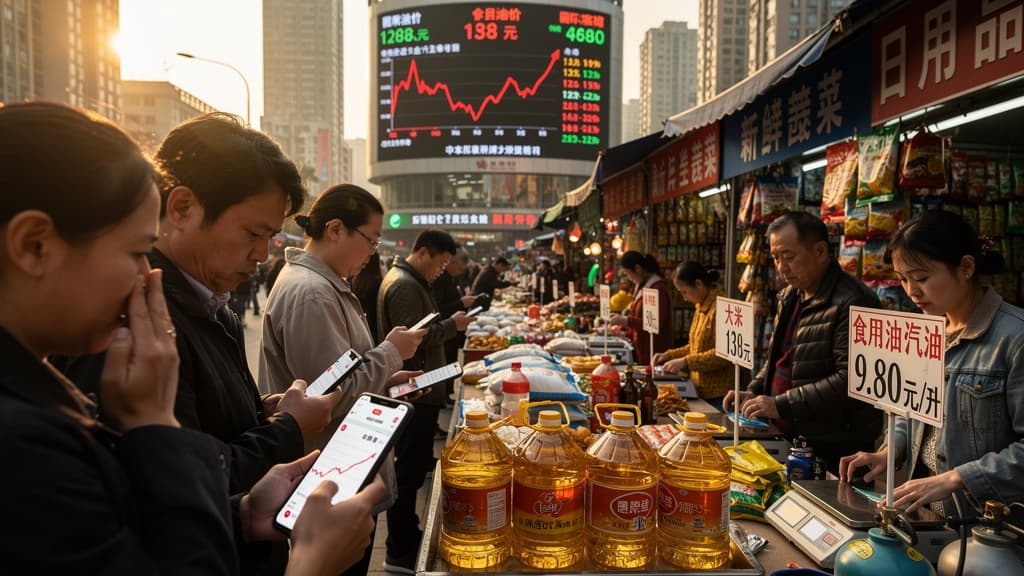
Deflationary Pressures Reversed
For the past three and a half years, Chinese factories have experienced deflationary pressures, characterized by falling prices and restrained growth. However, this trend has recently been upended. The latest data indicates a shift as energy prices have begun to climb in the wake of escalating conflict in the Middle East, particularly affecting oil supplies [1].
Impact on Energy Prices
The reversal in China's deflationary trend is significantly attributed to the rising cost of energy, driven by the instability in the Middle East. The situation has led to increased oil prices globally, as investors express concerns over a potential breakdown in a fragile U.S.-Iran ceasefire [2]. Furthermore, recent military actions and drone interceptions in the region have compounded these tensions, adding uncertainty to the energy market's stability [4].
Broader Economic Implications
The impact of rising energy costs extends beyond China, affecting global economies and influencing investor confidence. The hesitance in the markets reflects fears of sustained volatility in the oil sector, a crucial driver of industrial costs and consumer prices worldwide [5]. Analysts suggest that prolonged conflict could exacerbate supply chain disruptions, further inflating costs across multiple sectors.
Diplomatic Context
There is ongoing discussion about the role of international diplomacy in mitigating these tensions. Some commentators advocate for increased U.S. engagement in the region, citing potential benefits of restoring ambassadors and diplomatic ties to stabilize the situation [3]. This diplomatic dynamic is crucial as it may determine the trajectory of energy markets and, consequently, global economic stability.