West Virginia Residents Face Increasing Utility Costs
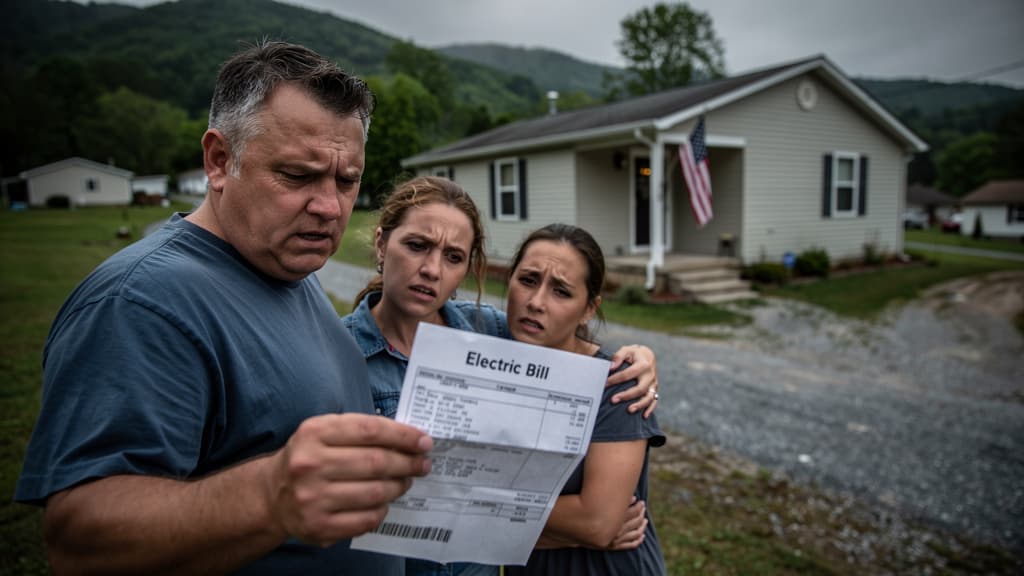
In West Virginia, a state renowned for its energy production, utility bills have become a major financial issue for many residents. Homeowners report that their electric bills now surpass their mortgage payments, a situation which has intensified public concern and scrutiny. Data indicates a steep rise in electric costs across the region, prompting widespread dissatisfaction.
Impact on Residents
For individuals like Rainelle resident Rebecca Michalski, the increase in electric bills has had a severe impact. Michalski, who lives on a fixed income, faced a $940.08 electric bill in February, an amount that exceeded her income and created a choice between heating her home and other necessities, such as food [1][2].
President Trump’s Pledged Reforms
During his campaign, President Donald Trump made commitments to reduce electricity costs, aiming to cut them by half. These promises have come under scrutiny as West Virginia, despite being energy-rich, experiences utility costs that many residents find untenable. The apparent disparity between the expectations set by presidential promises and the current reality has sparked debate about energy policy and market factors influencing these costs [1][2].
Contributing Factors
Analysts suggest several factors that might contribute to the rising costs. These include infrastructure challenges, regulatory issues, and market dynamics that affect how energy resources are utilized and priced in the state. Despite being a leading energy-producing state, West Virginia faces challenges that complicate the management and distribution of energy resources to residents, influencing the costs passed on to consumers [2].
Reactions and Future Outlook
The current situation has prompted reactions from both political and community leaders, seeking explanations and potential solutions to alleviate the burden on residents. Discussions continue regarding infrastructure investments and policy adjustments that could stabilize or reduce utility costs in the future. As these deliberations unfold, residents remain eager for actionable solutions that align with previous expectations of cost reductions [1][2].