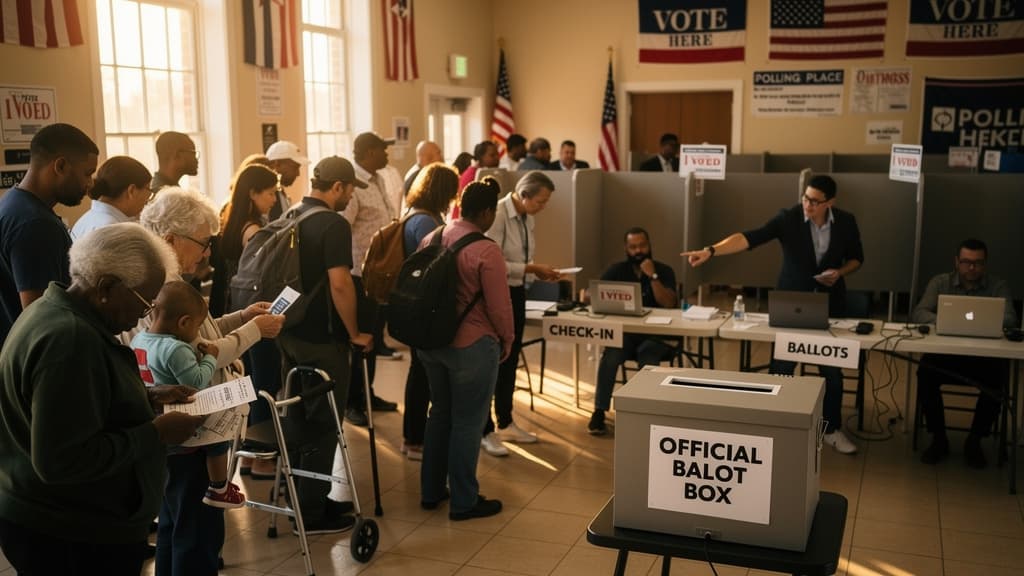
Georgia Special Election Results
In a recent special election in Georgia, Republican candidate Clay Fuller secured the 14th Congressional District seat, previously held by Marjorie Taylor Greene. Despite the victory, which bolstered the Republican majority in the House, Democrats made a notable impact by shifting the district's leanings substantially to the left. Democrat Shawn Harris narrowed the Republican's winning margin by approximately 25 percentage points compared to the margin in the 2024 presidential elections [1][2][4].
Implications for Democrats
The results in Georgia indicate a significant, if insufficient, swing towards Democratic candidates, suggesting a potential vulnerability for Republicans in traditionally safe districts. This shift aligns with broader trends observed in other regions, such as Wisconsin, where conservative candidates faced challenges. Although these individual wins for Republicans emphasize resilience, they also reveal underlying dynamics of fluctuating voter loyalties [2][3].
Voter Sentiments Toward Major Parties
Despite President Donald Trump's endorsement bolstering Republican campaigns, polls indicate a complex relationship between voter dissatisfaction and party loyalty. While Trump's popularity remains low among certain electorates, this dissatisfaction does not directly translate into widespread Democratic support [5]. Instead, the election results suggest nuanced voter attitudes that reflect dissatisfaction with both major parties, influencing election outcomes and strategic considerations for future races.
Analysis of Current Trends
These electoral developments point to a dynamic political landscape where shifts in voter sentiment could lead to unpredictable outcomes in future elections. As Democrats narrow margins in areas once considered strongholds for Republicans, both parties are likely reassessing strategies to better align with evolving voter priorities. Additionally, these shifts may influence campaign strategies ahead of the 2026 midterm elections, shaping national political narratives [1][2][5].