Court Overturns Suspension of Upbit
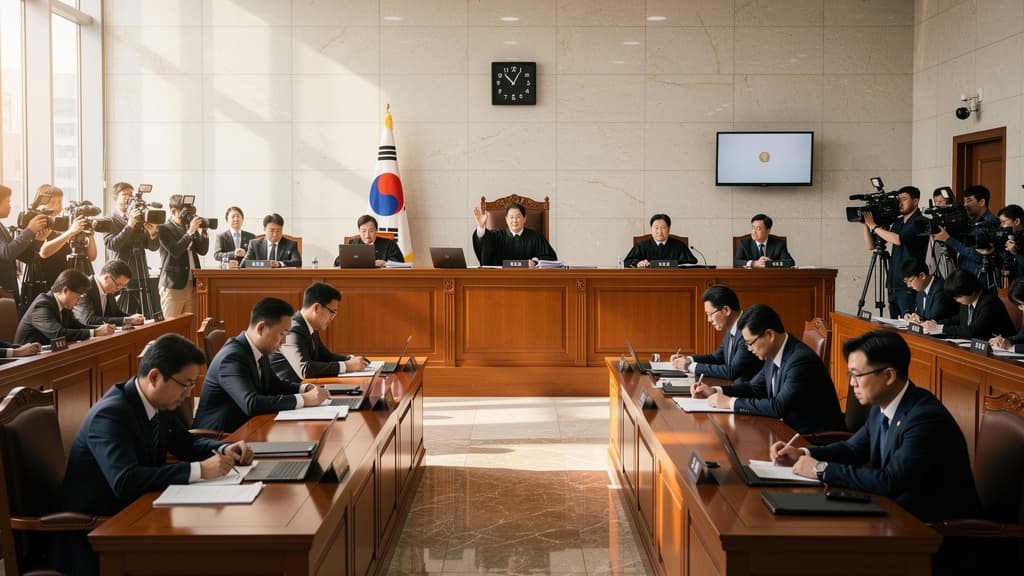
A South Korean court has nullified the suspension of Upbit, one of the nation's largest cryptocurrency exchanges, identifying gaps in the regulatory framework governing digital assets. This decision concludes a legal dispute that lasted over a year, where Dunamu, Upbit’s parent company, contested regulatory sanctions [2].
Regulatory Background
Upbit’s suspension was initially imposed based on South Korea’s existing financial regulations which have been scrutinized for their applicability to the rapidly evolving cryptocurrency sector. The Financial Intelligence Unit (FIU) had enforced the suspension citing compliance issues. However, the court ruled that the current legal framework lacks sufficient clarity and coverage, which led to the upholding of the exchange's continued operations [2].
Proposed Regulatory Changes
Coinciding with this decision, South Korea is working on new legislation aimed at establishing a comprehensive regulatory framework for cryptocurrencies. The draft bill proposes bank-style rules for stablecoins, setting standards for licensing, issuance, and oversight mechanisms. This is intended to bring more structured governance to digital assets and address the regulatory vacuums exposed by cases like Upbit’s [1].
Cryptocurrency Market Impact
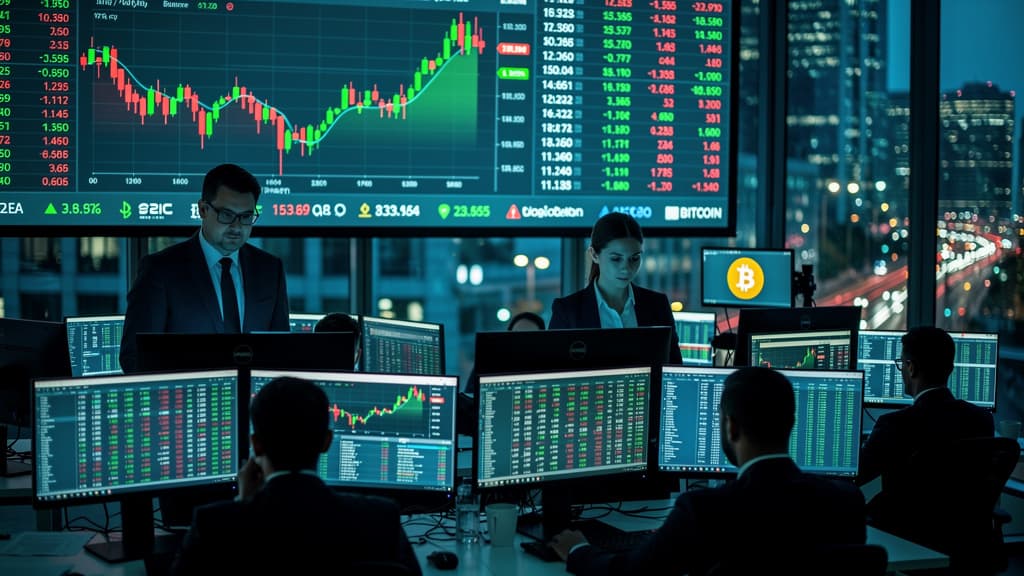
The court ruling, combined with proposed regulations, may influence the broader cryptocurrency market in South Korea. As of today, Bitcoin is trading at $71,301, showing a slight decrease of 0.28% over the past 24 hours. Ethereum and other top cryptocurrencies have also experienced minor declines in their respective values [1]. The stabilization of regulatory environments is anticipated to affect market confidence and operation dynamics across the exchange sector.
While the court’s decision provides immediate relief for Upbit, it underscores the ongoing need for comprehensive regulatory measures to effectively govern the growing digital currency markets. Both the legal and market landscape in South Korea remains closely watched by stakeholders globally [2].