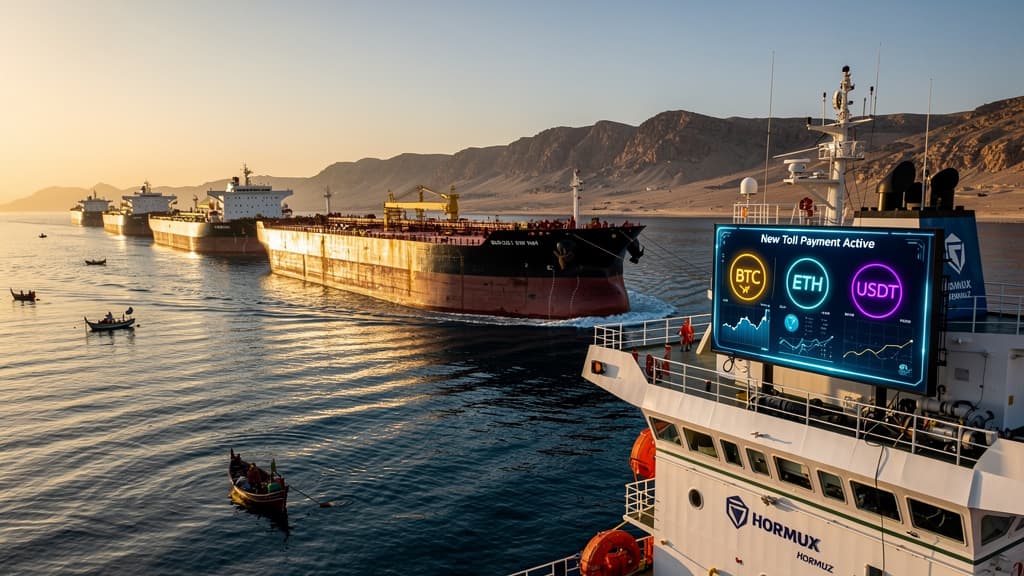
Cryptocurrency-Based Toll System
Iran has introduced a new requirement for oil tankers passing through the Strait of Hormuz to pay a toll using cryptocurrency. The measure necessitates that vessels disclose their cargo contents so that Iran can assess the appropriate fee. This payment system is part of Iran's broader efforts to integrate cryptocurrency into its economic dealings, potentially minimizing the impact of international sanctions that restrict traditional financial transactions [1].
Impact on Global Shipping
The Strait of Hormuz is a vital corridor for the global energy supply, as a significant percentage of the world's oil passes through this narrow waterway. The recent requirement for transactions in cryptocurrency comes on the heels of a ceasefire that has reestablished passage through the strait. The disruption had caused considerable delays in global shipping, contributing to backlogs and impacting supply chains worldwide [3].
Industry Reactions and Challenges
In response to the cryptocurrency toll, shipping companies and industry experts have expressed concerns regarding the implementation and adaptation to this new financial requirement. While some entities see potential in the use of digital currency for increased financial privacy and reduced transaction costs, others highlight challenges such as volatility in cryptocurrency valuation and insufficient regulatory frameworks governing its use [1][2].
Moreover, even with the reopening of the strait, the effects of the temporary closure are projected to linger. Experts suggest it could take several months for shipping operations to return to pre-disruption levels, as companies address both logistical bottlenecks and repair infrastructural damage sustained during the disruption [3].