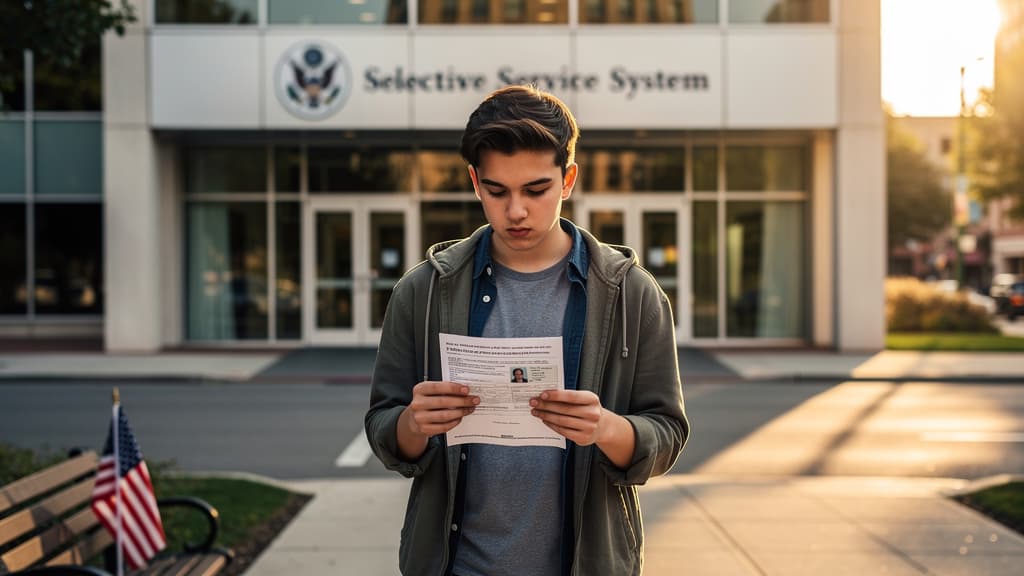
Overview of Draft Registration Requirements
In the United States, the Selective Service System mandates that men aged 18 to 25 register for the military draft. This registration is a legal requirement established to ensure a pool of potential draftees is available in case of a national emergency that demands a rapid military expansion [1][2]. The law does not currently require women to register, though debate on this issue persists [2].
Recent Developments in Automatic Registration
A recent proposal suggests shifting towards automatic draft registration, particularly by integrating the process with state systems for issuing driver's licenses. This change is expected to be implemented by December 2026 [3]. Currently, many states include draft registration as an option on their driver's license applications, facilitating compliance with federal law [1].
Context of Legislative Changes
The momentum behind automating draft registration has increased following recent geopolitical events. The United States, alongside Israel, has initiated military action against Iran, which has heightened awareness of national defense readiness [3]. Such conditions have often prompted legislative and administrative reviews of military preparedness strategies, including draft registration protocols.
Legal and Social Considerations
Legal frameworks around the draft dictate specific exclusions and deferments. For instance, non-citizens may face varying requirements, depending on their visa status [2]. Additionally, there's an ongoing societal debate about whether to expand draft registration requirements to include women, reflecting broader discussions on gender equality in military service [2].
Marriage, parenthood, and occupational deferments are also aspects of the broader framework managing draft eligibility, though these typically apply only after a draft is activated [1]. The current system prioritizes ensuring a comprehensive pool of registrants while considering these factors for future contingencies [1].
Future Implications
The shift towards automatic registration aims to streamline and enhance compliance, ensuring that registrant data is accurately captured and maintained. This move, while largely administrative, underscores a broader focus on maintaining robust defense capabilities amid global uncertainties [3]. Discussions on expanding or modifying draft requirements may continue as the geopolitical landscape evolves and societal norms change.
As the deadline for implementing automatic registration approaches, states are expected to update their systems, and additional resources may be allocated to educate the public on these changes and their implications for draft-age men [3].