Ceasefire Announced in Iran Conflict
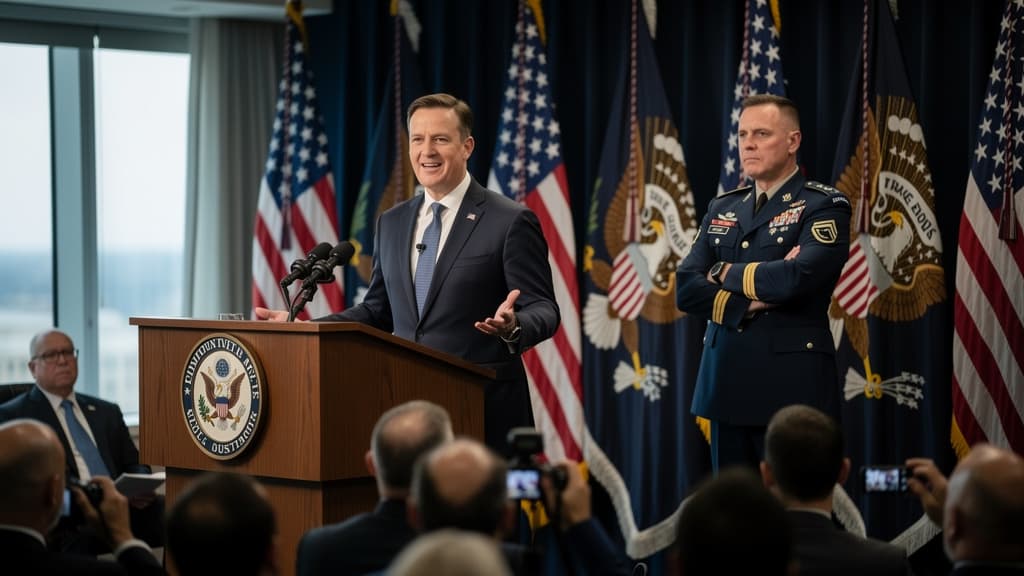
On April 8, 2026, Defense Secretary Pete Hegseth declared a successful outcome in military operations in Iran, characterizing a recently agreed ceasefire as a form of victory for the United States. During the press conference, Secretary Hegseth conveyed the hostilities in terms suggesting finality, speaking largely in the past tense [1]. Hegseth commented that the United States’ decision to agree to the ceasefire was based on a magnanimous approach by President Trump, after alleging that Iran had requested the ceasefire [4].
Divergent Viewpoints on Ceasefire
While Secretary Hegseth's remarks suggested a definitive end to conflict, General Mark Caine, the Chairman of the Joint Chiefs of Staff, took a more reserved approach. General Caine emphasized that the ceasefire was not an end in itself, but rather a temporary halt in combat operations, referring to the situation as a "pause" [1]. This characterization implies that the situation remains fluid, with potential for further developments.
Briefing Dynamics
The press conference was marked by moments of tension. Secretary Hegseth notably responded sharply to a question from an NBC reporter regarding ongoing threats from Iranian missiles, describing the question as "rude." This encounter highlighted the strained nature of discussions surrounding the conflict's status and future outcomes [2].
Context of Military Operations
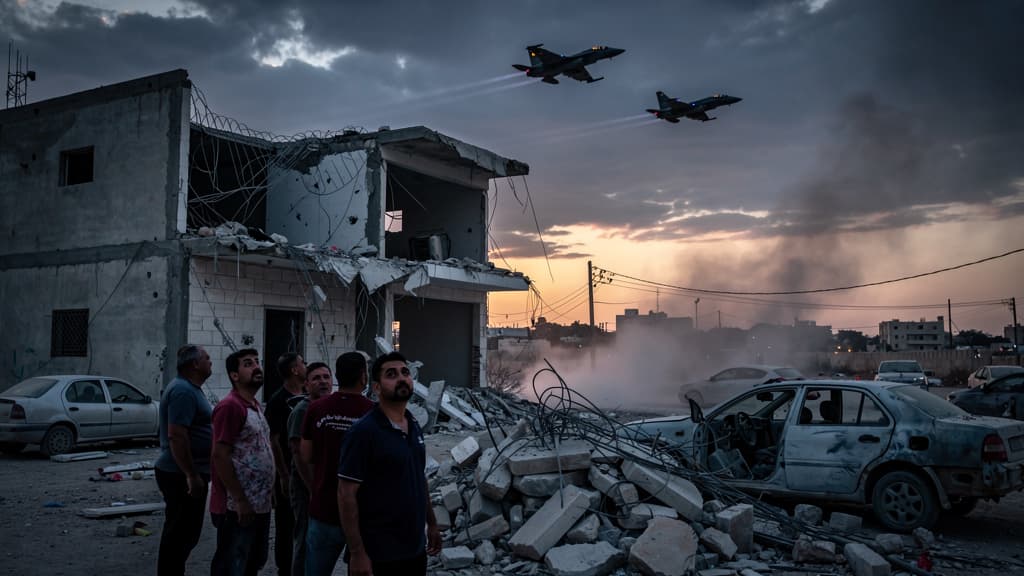
The recent series of events follows a campaign termed "Operation Epic Fury," aimed at countering perceived threats from the Iranian regime, particularly after the wounding of high-profile figures such as Mojtaba Khamenei [4]. The United States' strategies and intentions have been a point of analysis and debate, with varying perspectives on what ongoing military presence means for the administration's policies [3].
Strategic Implications
The ceasefire and accompanying statements reflect continuing complexities in U.S.-Iran relations. The situation underscores the necessity for ongoing diplomacy and military readiness. The divergent messages from U.S. defense leadership suggest potential internal debates regarding the path forward and the durability of the current cessation of hostilities.