Current Developments
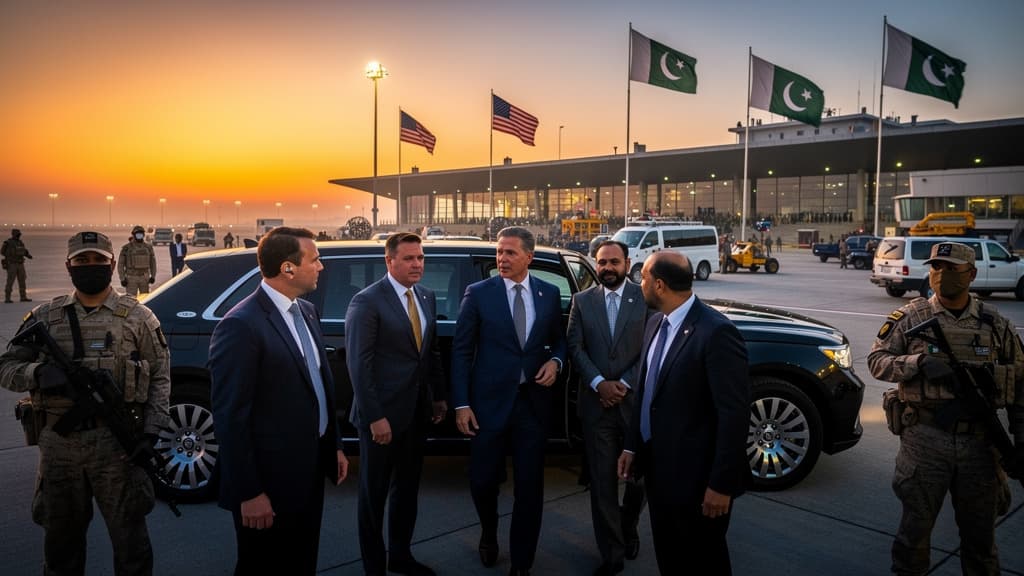
U.S. Vice President JD Vance has embarked on a diplomatic mission to Pakistan for talks with Iranian officials, a move aimed at addressing the ongoing conflict involving Israel, Lebanon, and Iran. This engagement follows ongoing military operations by Israel against Hezbollah in Lebanon, amid demands from Iran to include Lebanon in a broader ceasefire agreement.[4]
Continued Conflict in Lebanon
Conflict persists between Israel and Hezbollah, the Iranian-backed militia, with recent reports detailing Israeli strikes on residential areas in southern Lebanon. These operations have resulted in significant displacement, affecting around one million people in Lebanon.[5] The United Nations has highlighted a growing humanitarian crisis, stressing the urgency of resolving both displacement and food security concerns exacerbated by the conflict.[2]
Lebanese Truce Complications
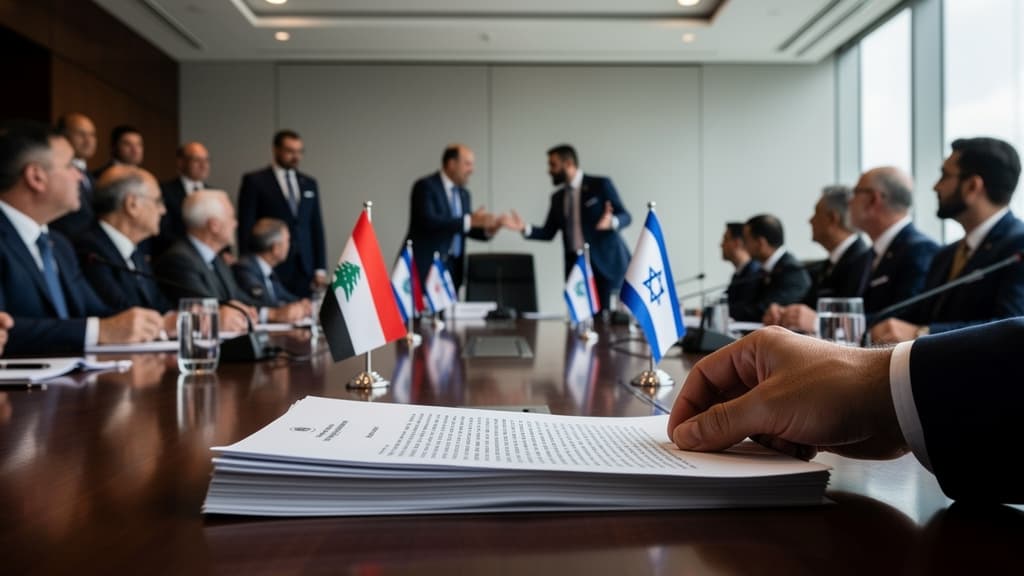
Although Israel has expressed willingness to engage in talks with Lebanon regarding Hezbollah's disarmament, it continues military activities against the group, citing its threats as justification.[6] The European Union and Iranian officials have expressed concern that ongoing Israeli airstrikes could jeopardize potential truce agreements in the ongoing U.S.-Iran conflict.[7]
Diplomatic Efforts to Resume
Ahead of Vice President Vance's meetings, Iranian officials have underscored the time-sensitive nature of achieving a ceasefire, with Iran's parliament speaker emphasizing the shrinking window for diplomatic resolution.[3] Meanwhile, the possibility of a ceasefire between Israel and Lebanon remains uncertain, with local ceasefire talks yet to be initiated.[1]
Background Context
The current situation is rooted in broader regional tensions involving Israel, Hezbollah, and Iran. Hostilities have been ongoing, with Israel's security concerns driving its continued military stance against Hezbollah. This conflict forms part of a larger geopolitical landscape marked by historic rivalries and recent escalations that have drawn in international stakeholders, including the United States and various European nations.[4]