Iran's Strait of Hormuz Controversy
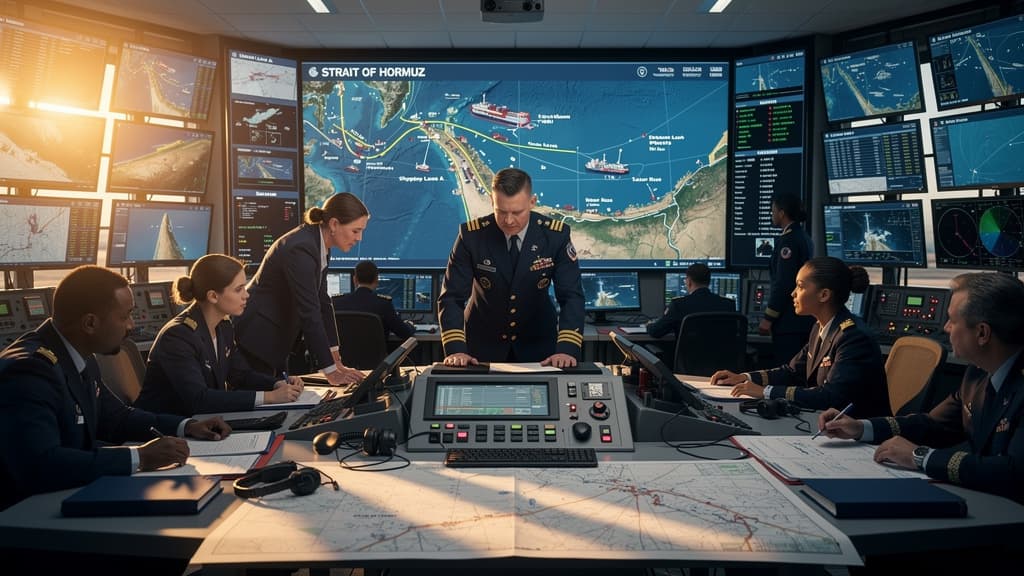
President Donald Trump criticized Iran's actions regarding the reopening of the Strait of Hormuz, asserting that the country is 'doing a very poor job' managing the situation. The Strait, a strategic waterway through which a substantial portion of the world's oil transits, remains a focal point amid ongoing regional tensions [1][2].
A fragile ceasefire in the region has been challenged by multiple incidents: Israel and Hezbollah have exchanged strikes in Lebanon, and Kuwait has been attacked by drones. Within this context, the reopening of the Strait has become a contentious issue [1].
Tensions Over Strait Fees
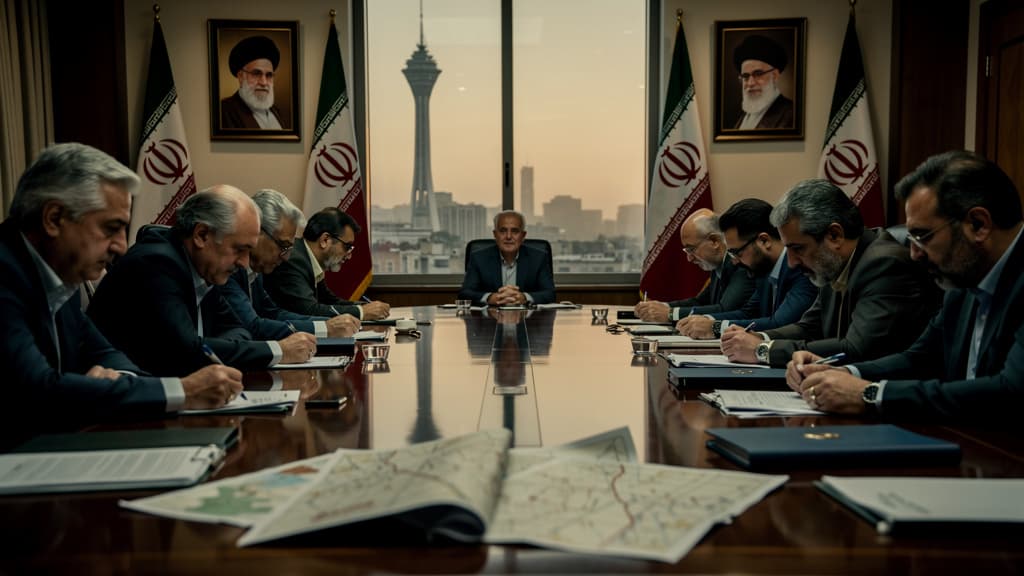
Adding to the complications, there have been reports that Iran intends to impose fees on oil tankers traversing the Strait of Hormuz. President Trump has warned Iran against such actions, highlighting that Iran 'better not be' charging these fees. This statement followed closely behind Trump's own proposal for a "joint venture" that would allow similar tolls [2].
The proposition of fees by Iran comes at a time when oil markets are closely monitoring any disruptions that could affect oil supply and prices. The United States, under President Trump's administration, has shown intent to maintain stability in this critical passageway [2].
Broader Geopolitical Context
The Strait of Hormuz is significant not only for its economic impact but also due to its strategic geopolitical importance. The United States and its allies have vested interests in ensuring that this maritime route remains open and free from obstructions that could lead to broader economic and political instability. Recent developments, including military actions in the region and diplomatic negotiations, continue to capture the international community's attention as the situation evolves [1][2].