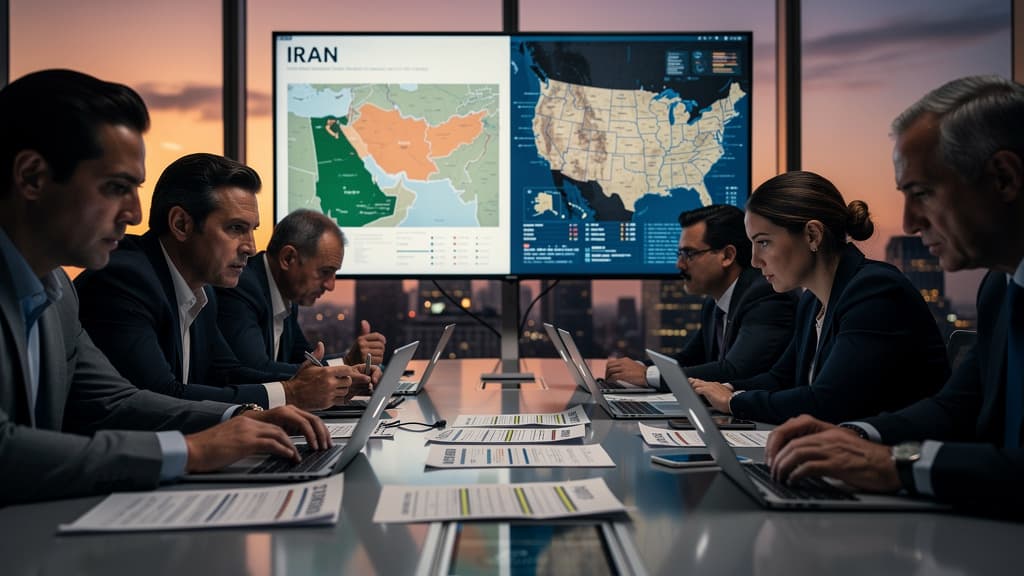
Trump's Statements Bring Potential Legal Questions
President Donald Trump’s recent remarks about Iran have brought attention to the legal interpretations concerning potential war crimes. The President declared intentions to dismantle Iran's infrastructure and eradicate its civilization, leading some observers to suggest these comments could serve as evidence of intent regarding legal proceedings in the context of international law [2].
Reactions Within the US Political Landscape
The President’s statements have generated a variety of responses domestically. Some Republican figures, such as Senator Ron Johnson, have expressed the hope that President Trump’s words are not literal threats but warnings meant to deter further conflict. However, the broader Republican Party has largely supported the President's firm stance against Iran [3].
Conversely, there are critics within the President's own political movement. Some members of the Make America Great Again (MAGA) movement have voiced disagreement with the path the current administration is taking. The recent acceptance of a ceasefire with Iran has further highlighted these internal divisions, with some supporters viewing the agreement as a strategic success and others perceiving it as a step back [4].
Diplomatic Developments and Negotiations
In a move towards de-escalation, Vice President JD Vance is slated to lead a U.S. delegation for negotiations in Pakistan with Iranian counterparts, aiming for a diplomatic resolution to ongoing tensions. These talks come amidst a temporary ceasefire agreement between the United States and Iran, although active hostilities persist in the region, with notable military actions by Israel in Lebanon continuing to impact stability [1][4].
International and Domestic Implications
The ongoing discourse surrounding President Trump’s rhetoric against Iran not only touches on possible legal interpretations but also on its broader impact. While White House spokespersons have attempted to mitigate the weight of Trump's remarks by urging a focus on broader strategic outcomes rather than rhetorical content, the discussion remains prevalent among international observers and domestic analysts alike [5].
As the geopolitical landscape in the Middle East remains tense, the implications of these developments are being closely watched both within the United States and globally. The outcomes of the upcoming negotiations, as well as the interpretations of Trump's statements, will likely inform future international relations and domestic political dynamics.