Trump Addresses NATO's Role in Iran Conflict
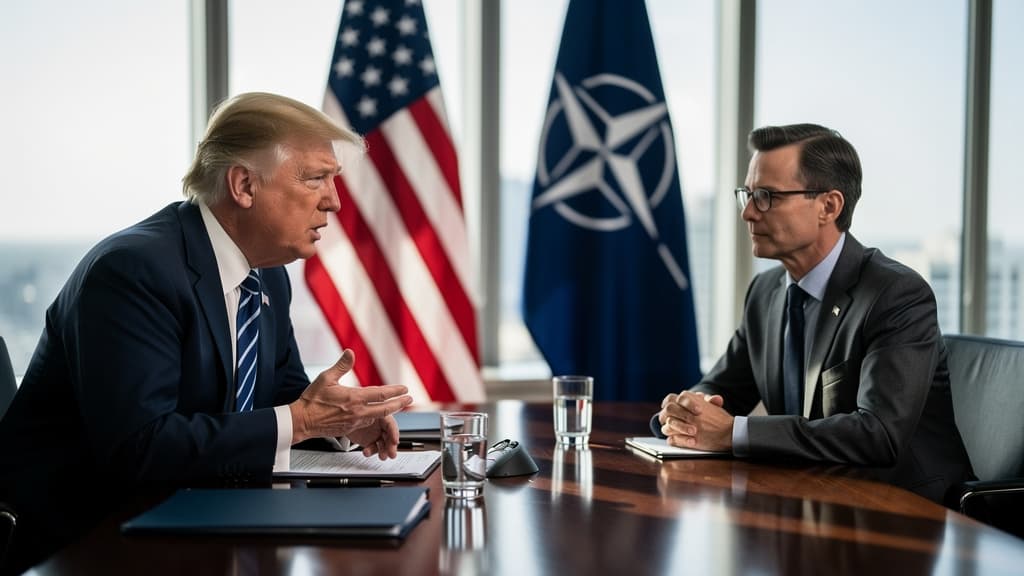
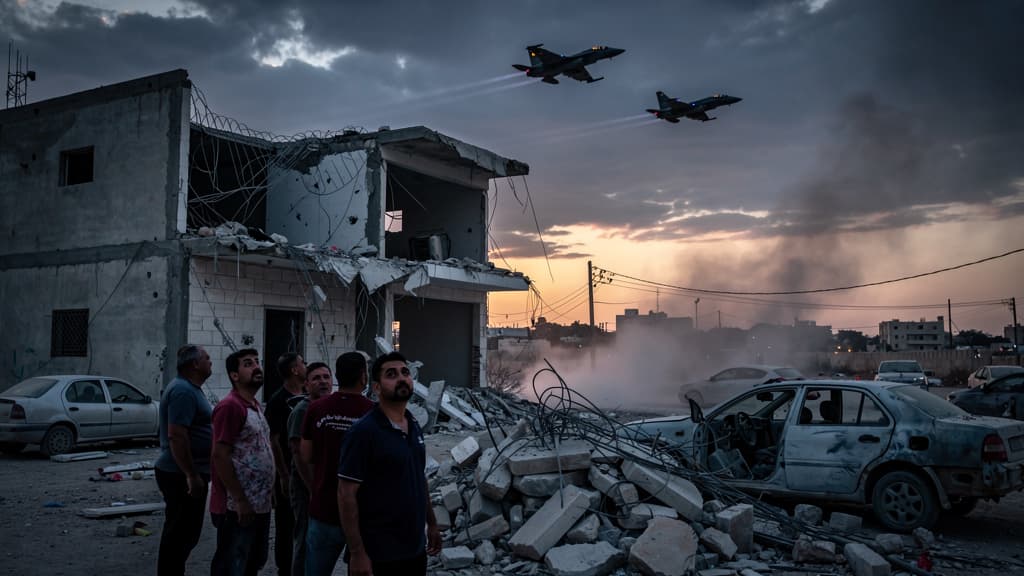
During a recent meeting held on April 9, 2026, President Donald Trump conveyed his displeasure with NATO's involvement regarding the United States' military actions against Iran. President Trump claimed that NATO was absent when the alliance's support was crucial. This comment comes in the wake of the U.S. and Israel instigating military operations against Iran, a position that has seen varying degrees of support from NATO member states [1][2].
Reponses from NATO Leadership
Mark Rutte, the Secretary General of NATO, addressed President Trump's remarks by asserting that many European countries have honored their commitments to the alliance. Rutte suggested that, contrary to Trump's claims, support from European allies has been substantial. The discussions between Trump and Rutte were described as tense, indicating disagreements over NATO's involvement in the Iran situation [2][3].
Additional Context and Broader Implications
The meeting where these comments were made is part of ongoing discussions between the U.S. and NATO about the alliance's strategic priorities. President Trump's dissatisfaction appears not only to be with NATO's current stance on Iran but also with certain European countries' positions on related geopolitical matters, including Greenland. There are indications that the U.S. government is considering measures to address what it perceives as inadequate support from some NATO members, which might include political or economic repercussions [3][1].
The geopolitical dynamics within NATO continue to be a source of contention, underscoring differences in international and strategic policies between the United States and its NATO allies. The tensions have also revived discussions within Denmark regarding Greenland, an issue that remains sensitive following Trump's previous suggestions about acquiring the territory [3].
These developments are closely watched by global observers, as they could influence future NATO policies and the alliance's cohesion in addressing international conflicts.