Recent Developments in U.S.-Israel-Lebanon Relations
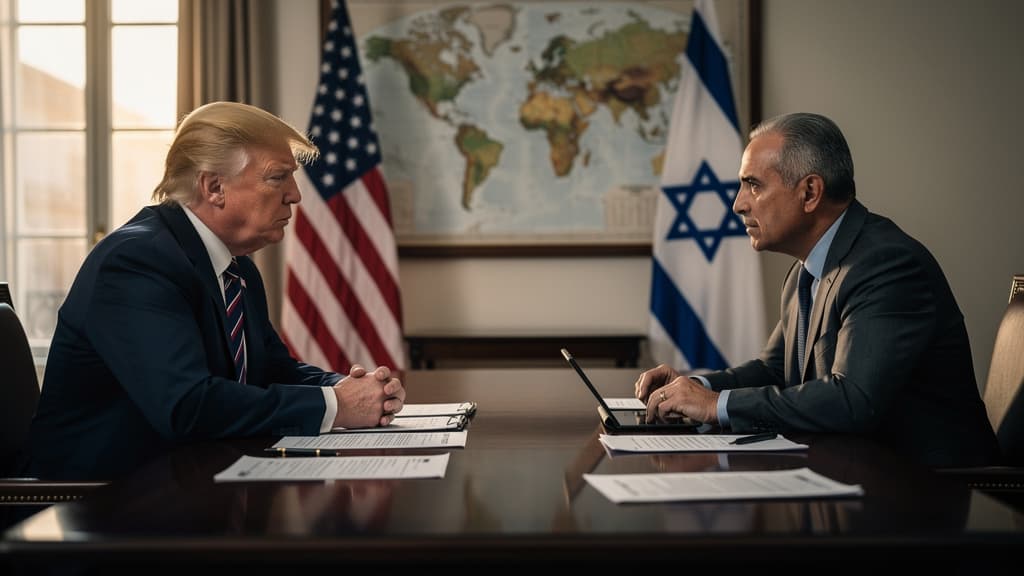
President Donald Trump has reportedly communicated with Israeli Prime Minister Benjamin Netanyahu, urging a reduction in Israel's military activities in Lebanon. This request comes after Israeli forces conducted strikes in Lebanon, which occurred shortly after an announced ceasefire between the United States and Iran [1][3].
The ceasefire, reportedly part of negotiations to ease tensions between the U.S. and Iran, includes provisions for a halt in aggressive actions by allied nations [3]. However, Israel's recent military activities have raised international scrutiny and diplomatic repercussions.
International Reactions to Israeli Strikes
The Israeli strikes have prompted international backlash. Notably, Spain accused Israel of violating international law and jeopardizing the ceasefire agreement [2]. Spanish officials characterized the strikes as a significant threat to international peace and the rule of law [2].
There have been additional calls from various international actors for a comprehensive arms embargo against Israel, citing the extensive damage and civilian casualties as grounds for such measures [4]. Reports indicate that these strikes resulted in over 250 casualties and significant infrastructure damage in Lebanon [4].
Context of U.S.-Iran Ceasefire
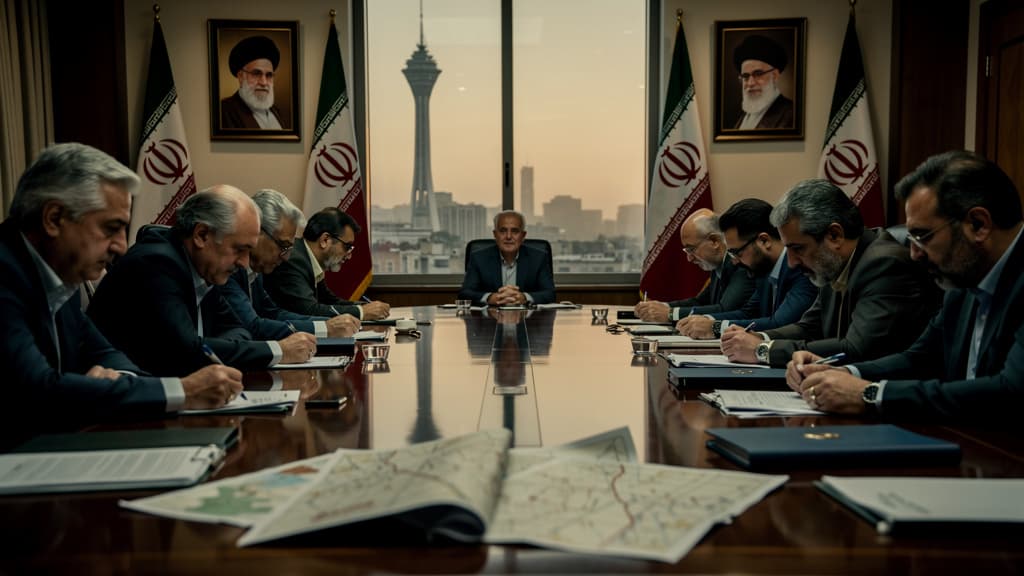
The current events are situated against the backdrop of delicate negotiations between the United States and Iran. The two-week ceasefire, achieved earlier in the week, aims to provide a temporary halt to hostilities while longer-term diplomatic solutions are pursued [3]. Concerns have arisen that Israeli actions could undermine these efforts, potentially destabilizing ongoing peace initiatives.
President Trump's intervention with Prime Minister Netanyahu underscores the sensitivity of the current diplomatic climate and the importance of adherence to the ceasefire terms by all parties involved.
Broader Implications
The situation has generated significant international focus, with implications extending beyond the immediate region. The reaction from world leaders and international organizations suggests a heightened concern for regional stability and compliance with international agreements. As events unfold, the diplomatic community continues to advocate for restraint and negotiation as pathways to resolution.
Moving Forward
Observers are closely monitoring the situation, particularly for any shifts in Israeli military strategy following President Trump's outreach. Additionally, the stability of the U.S.-Iran ceasefire remains a focal point as stakeholders assess the broader impact of these actions on Middle Eastern geopolitics.