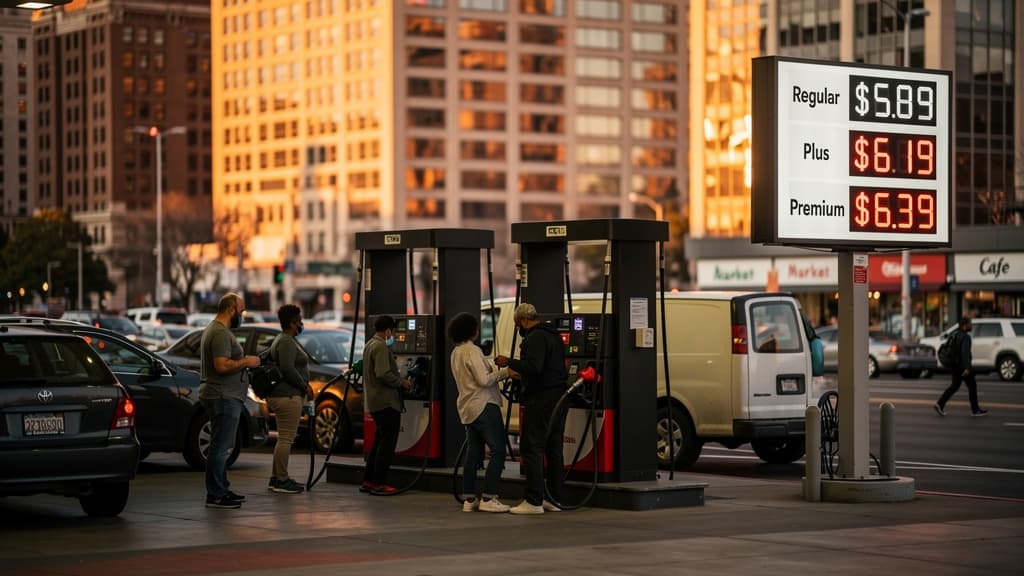
Record Increase in Gasoline Prices
In March 2026, U.S. gasoline prices experienced a historic surge, marking the largest monthly percentage increase in several decades. This rise is significantly impacting consumer budgets across the nation. According to data released, this increase has been fueled by ongoing tensions related to the conflict in Iran, which has disrupted supply chains and affected global oil markets[1].
Consumer Confidence and Economic Outlook
The rise in gasoline prices is occurring at a time when U.S. consumers are already dealing with persistent inflation. According to Joanne Hsu, Director of the University of Michigan Surveys of Consumers, many Americans are expressing frustration with these economic pressures. Despite the current challenges, Hsu noted that there is optimism for an improved economic outlook in the long term[2].
Broader Economic Impact
The increase in gasoline prices contributes to the overall inflation affecting various sectors of the economy. This development raises concerns about the purchasing power of consumers and the potential for increased costs in goods and services reliant on transportation. Policymakers and economists are closely monitoring these developments as they evaluate potential measures to address inflation and stabilize the economy.
Global Tensions and Market Reactions
The geopolitical situation in Iran remains a critical factor in these price changes. Continued instability in that region is contributing to fluctuations in oil supply, with significant impacts on global prices. Market analysts suggest that any resolution to the conflict could influence future price adjustments, though the timing and likelihood of such outcomes remain uncertain[1].
Long-Term Implications
Looking ahead, stakeholders are considering the broader implications of sustained high gasoline prices. There are discussions about potential strategic shifts in energy policy and consumer behavior, aiming to mitigate the impact of such fluctuations on the economy. These considerations reflect broader efforts to achieve energy independence and enhance resilience against external market shocks.