Ceasefire Agreement Clarification by U.S.
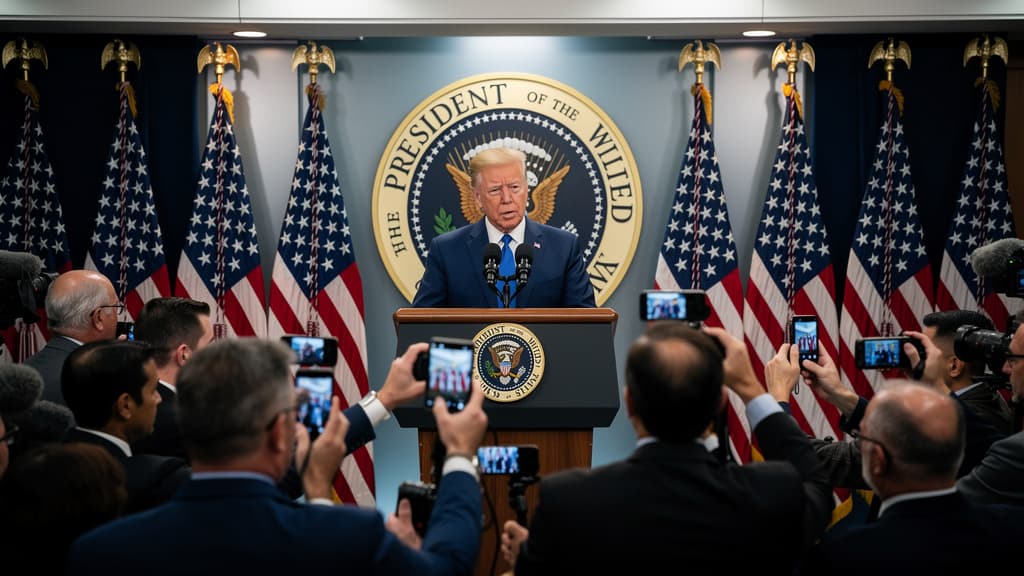
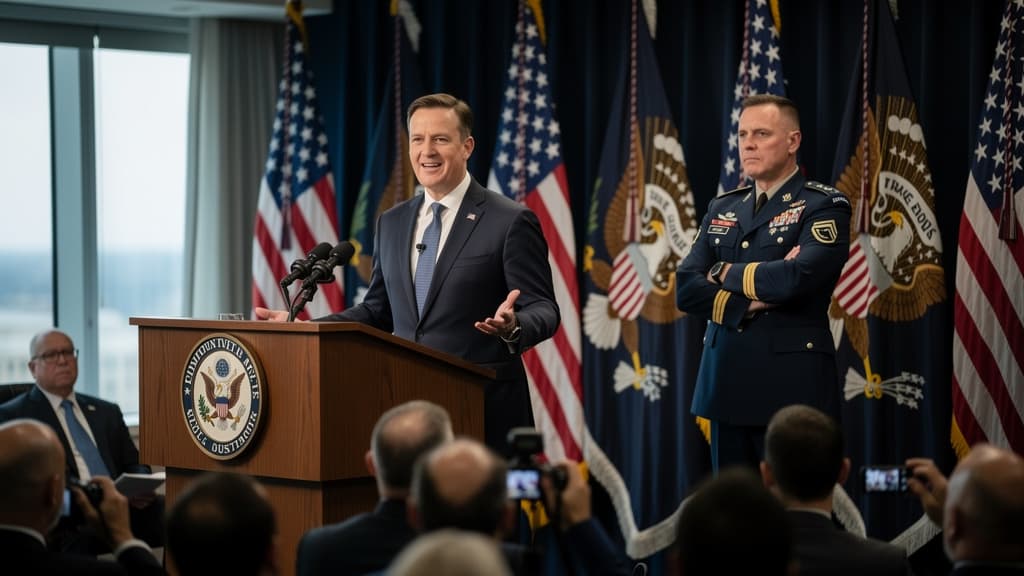
U.S. Vice President JD Vance clarified on April 8, 2026, that Lebanon was never included in the two-week ceasefire agreement between the United States and Iran. This statement was made in response to ongoing Israeli military actions in Lebanon, which have continued despite the ceasefire [1][2].
The ceasefire, initially agreed upon to pause hostilities in the region and allow for negotiations between the U.S. and Iran, is under strain due to differing interpretations of its scope. Iran has opposed Israel's military actions, maintaining that Lebanon should be part of the ceasefire [3][4].
Divergent Interpretations from Involved Parties
Where the U.S. position emphasizes that the agreement excludes Lebanon, Iran contends otherwise. Iran's Foreign Minister, Abbas Araghchi, has insisted that the ceasefire terms do extend to Lebanon, arguing that Israel's military operations in the country constitute a breach of the truce [4][5].
Israel has maintained its military campaign in Lebanon, asserting that these operations are unrelated to the Iran ceasefire. Israeli officials have stated their actions are a response to various security threats [3].
Impact of Military Actions and Diplomatic Tensions
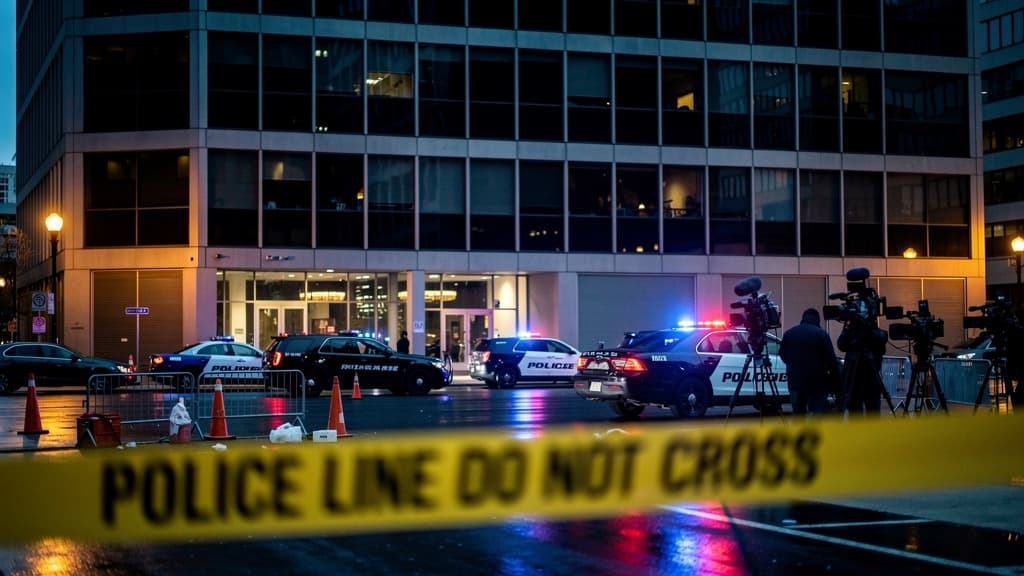
The continuation of Israeli airstrikes in Lebanon has resulted in significant casualties, with dozens reported dead in Beirut from recent attacks. This has escalated tensions in the Middle East, potentially affecting regional stability and international diplomatic efforts to manage the conflict [3][5].
Iran has reacted to the situation by blocking oil tankers in the Strait of Hormuz, a critical waterway for global oil shipments. This move has implications for global oil prices and availability, as the waterway is essential for the transport of a substantial portion of the world's petroleum exports [5].
Future of the Ceasefire
The future of the ceasefire rests on further diplomatic engagements and negotiations between the involved parties. The U.S. and Iran continue to engage in dialogues aimed at resolving these disagreements. However, until a consensus is achieved regarding Lebanon's status, the ceasefire's effectiveness remains uncertain [6][7].