Cuban President Reiterates Commitment to Leadership
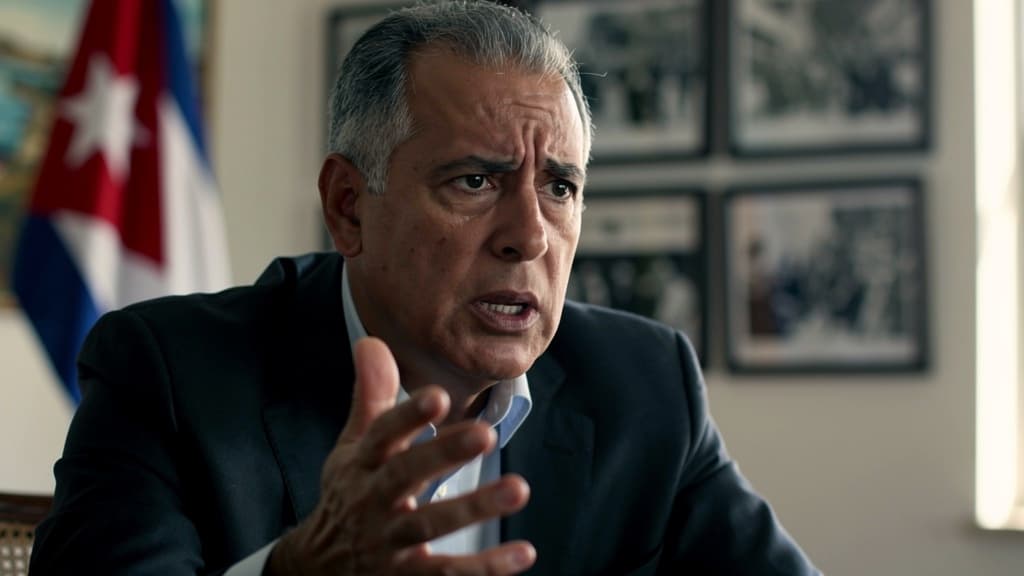
Cuban President Miguel Díaz-Canel announced that he does not intend to step down from his position, during an exclusive interview with NBC News. This statement was his first engagement with a U.S.-based media outlet since taking office. The remarks come in response to requests from the Trump administration, which suggested he should resign his presidency [1][2].
U.S. and Cuba Diplomatic Context
The recent tensions between the United States and Cuba have been underscored by the American government's public stance, encouraging Díaz-Canel's resignation. Cuban-U.S. relations have historically been complex, marked by economic sanctions and political disagreements. The current U.S. administration has maintained a firm diplomatic posture towards Cuba, insisting on political reforms and improvements in human rights [1][2].
Díaz-Canel's Position on Resignation
During the interview with NBC News' 'Meet the Press', Díaz-Canel stated, "stepping down [is] not part of our vocabulary". He emphasized his commitment to continuing his leadership without yielding to external pressures for political change in Cuba. His response highlights Cuba's sovereign stance in handling its internal affairs, despite international calls for change [2][3].
Reactions and Future Implications
The interview and its implications may affect the bilateral relations between the two countries as stakeholders on both sides ponder future diplomatic strategies. U.S. officials have not formally commented further following Díaz-Canel's interview, leaving potential future diplomatic engagements open for speculation and development [1][3].
This interaction marks a significant moment in the ongoing diplomatic journey between Cuba and the United States, setting the stage for further discussions on governance, policy, and bilateral relations.